

 Folding boxes
  Shipping boxes
  Stand-up pouch
  Flexible packaging
  Labels
  Paper cans
  Sample boxes
 Plastic: Always an environmental sin?
Within just a few decades, plastic has become one of the most widely used materials in the packaging industry. But in the meantime, the image of the former miracle material has been seriously damaged. The problems for people and nature caused by the excessive use of plastic are too great.
It is therefore not surprising that the demand for alternatives to conventional plastic packaging is becoming louder and louder. In practice, packaging made of paper and cardboard, and less frequently glass, often serves as a substitute. However, the environmental performance of different packaging materials depends on the application and the aspects being assessed. The environmental performance of packaging depends on several factors.
In addition to the production process and the associated environmental impact, the most important aspects include, for example, reusability and the suitability of the material to protect a particular product - and in this respect, every material offers both - advantages and disadvantages.

Examples:
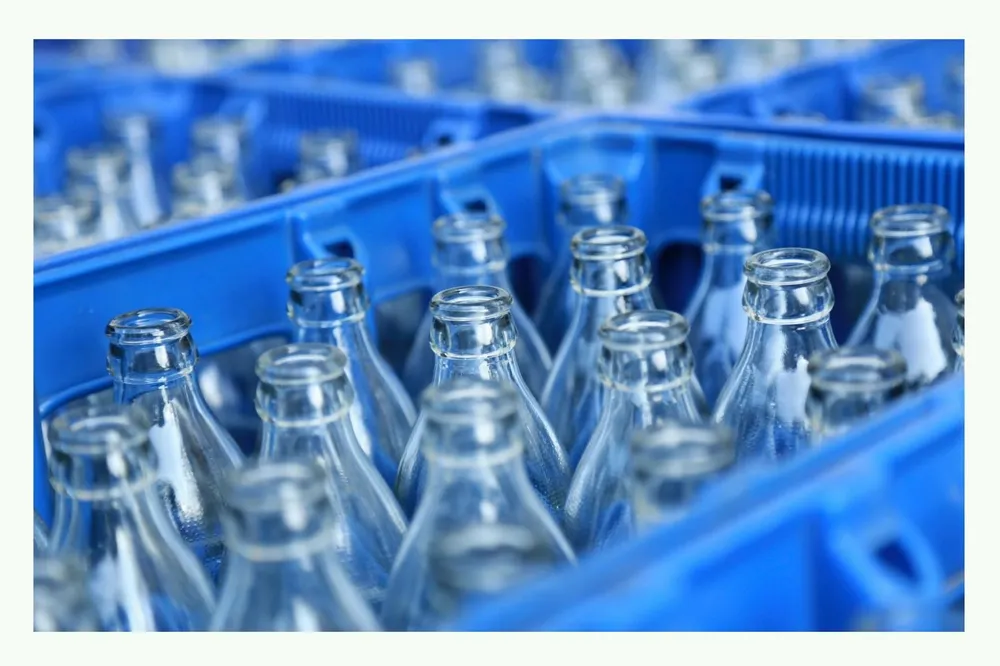
A reusable PET beverage bottle can be refilled up to 25 times, a glass bottle even up to 50 times. Depending on factors such as transport distance, bottle weight and the number of reuse cycles, reusable PET bottles can perform differently from reusable glass bottles in life-cycle assessments. Their lower packaging weight can reduce transport-related energy demand under comparable transport conditions. Some life-cycle assessments show low greenhouse-gas emissions for reusable PET bottles under specific system conditions.
Another example is food packaging. Depending on the application, replacing a plastic packaging format with a paper- or board-based solution can require a different amount of packaging material. Plastic is unlike paper, airtight and leak-proof, and protects some foods more effectively from spoilage. Composite materials that combine paper and plastic are therefore often used. Paper-plastic composites can reduce the amount of plastic used, but their material combination can affect sorting and recyclability.
Not all plastics are the same
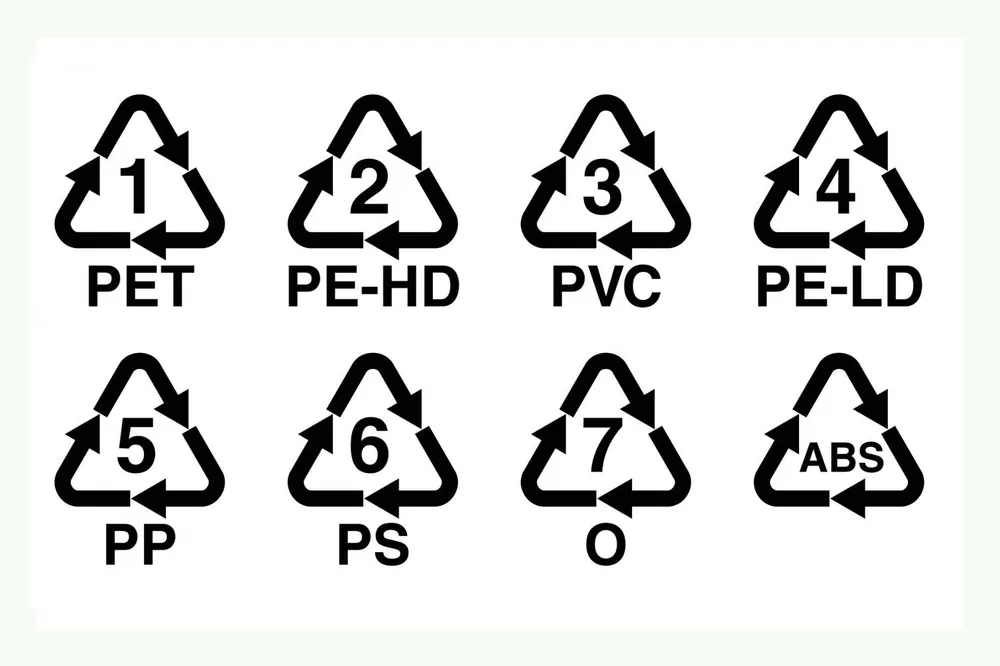
What is usually referred to as plastic in our linguistic usage actually has many names. There are now more than 200 known types of plastic, each of them has special properties. The most commonly used types of plastic are:
- Polyethylene (PE),
- Polypropylen (PP),
- Polyvinylchlorid (PVC) and
- Polyethylene terephthalate (PET).
Recyclability is an important design consideration for plastic packaging. These include plastics that are designed for established recycling streams You will find an example of the last-mentioned in our product range. Our white and transparent PE/EVOH/PE pouch variants use a PE-based mono-material structure designed for recycling. The recyclability of the finished pouch depends on its complete configuration and the applicable collection, sorting and recycling infrastructure.
Plastic recycling
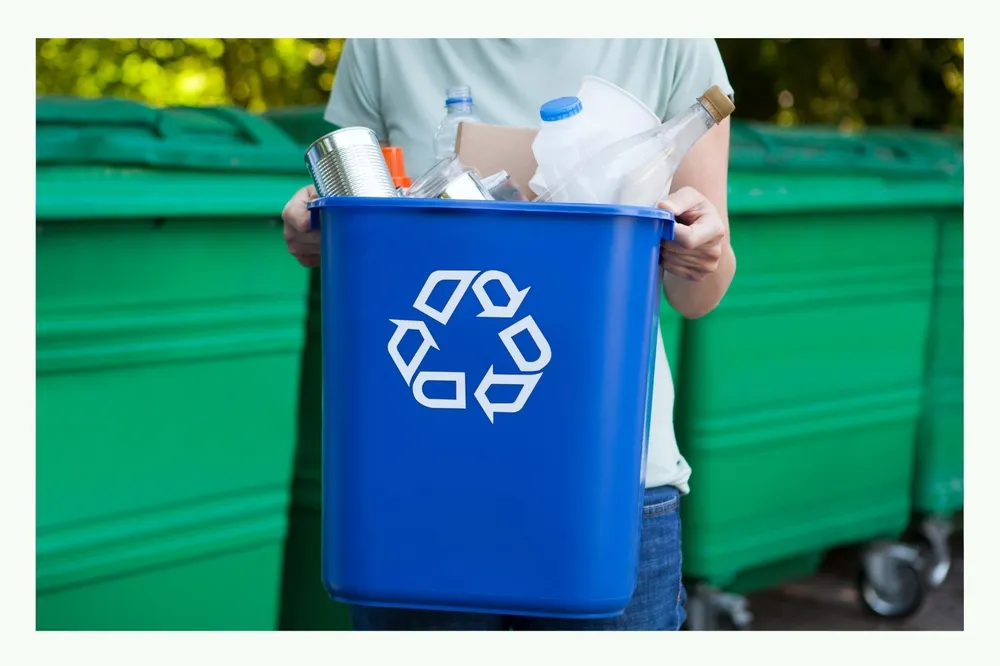
Mechanical recycling can enable suitable plastic waste to be used again as secondary raw material. This is because even compared to the extremely ecological sounding industrial composting, recycling offers some advantages, because composting of biodegradable plastic offers neither a material benefit nor an energetic value.
A look at the numbers from the Federal Environment Agency shows that a total of around 6.28 million tons of plastic waste was collected across Germany in 2019. This corresponds to an amount of 76 kg per person. Half of this is packaging waste.
According to GVM data for 2019, 99.6% of plastic packaging waste was recovered. According to the same 2019 data, 55.2% was sent to material recycling. Most of the rest is converted into energy, with a tiny proportion being landfilled or incinerated without energy recovery.
Conclusion: The environmental performance of plastic packaging depends on its design and use
When you think of plastic, you often think of the negative impact it has on our environment. The environmental impact of plastic packaging depends on factors such as material use, packaging design, reuse where applicable, collection and recycling. Therefore, it often depends on our handling of plastic whether and how environmentally friendly the plastic packaging is and can be in the end.
That's why each and every one of us can make a contribution when it comes to sustainability. Companies can assess the actual requirements of a packaging application and select the material and packaging design accordingly.
Consumers can consider specific packaging characteristics such as reusability, material composition and disposal options when making purchasing decisions.