5 Stars
Made in Germany
Free Delivery
5 Stars


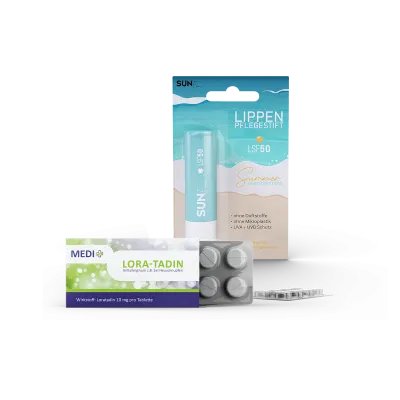
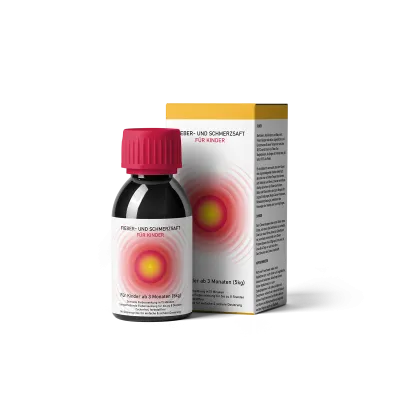
Complementing these options, we offer custom-printed folding cartons, shipping cartons and roll labels for pharmaceuticals, medical devices and CBD products. Depending on your requirements, tamper-evident features, sequential numbering, Data Matrix codes or Braille embossing can be incorporated. This creates a tailored packaging solution combining product protection, reliable identification and a professional presentation.
.png)
Pharmaceutical packaging FROM THE MANUFACTURER
Our packaging
Hinged-lid box in your required size
.png "Folding box with hinged lid")
Order customised folding boxes
Custom-printed roll labels
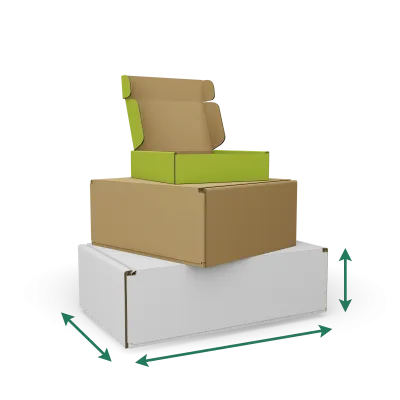
Custom maxi letter boxes and large letter boxes





CONTACT US
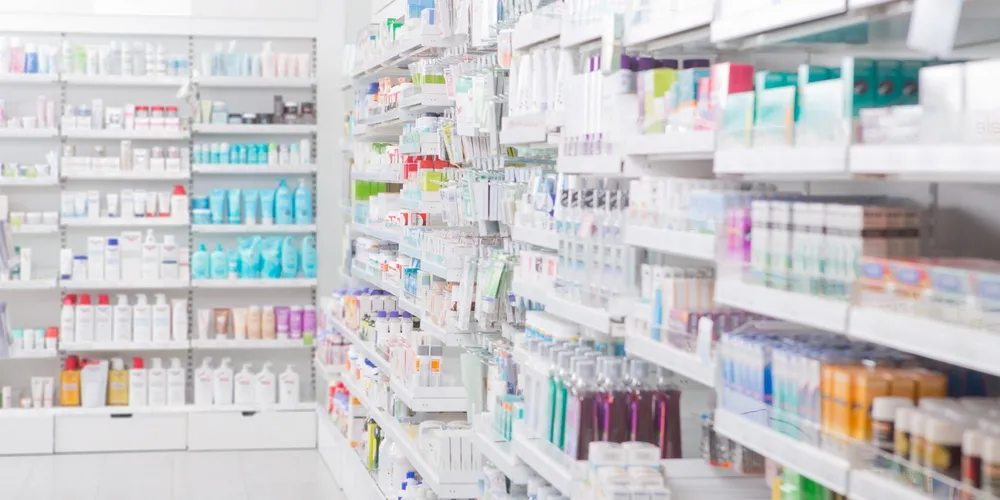
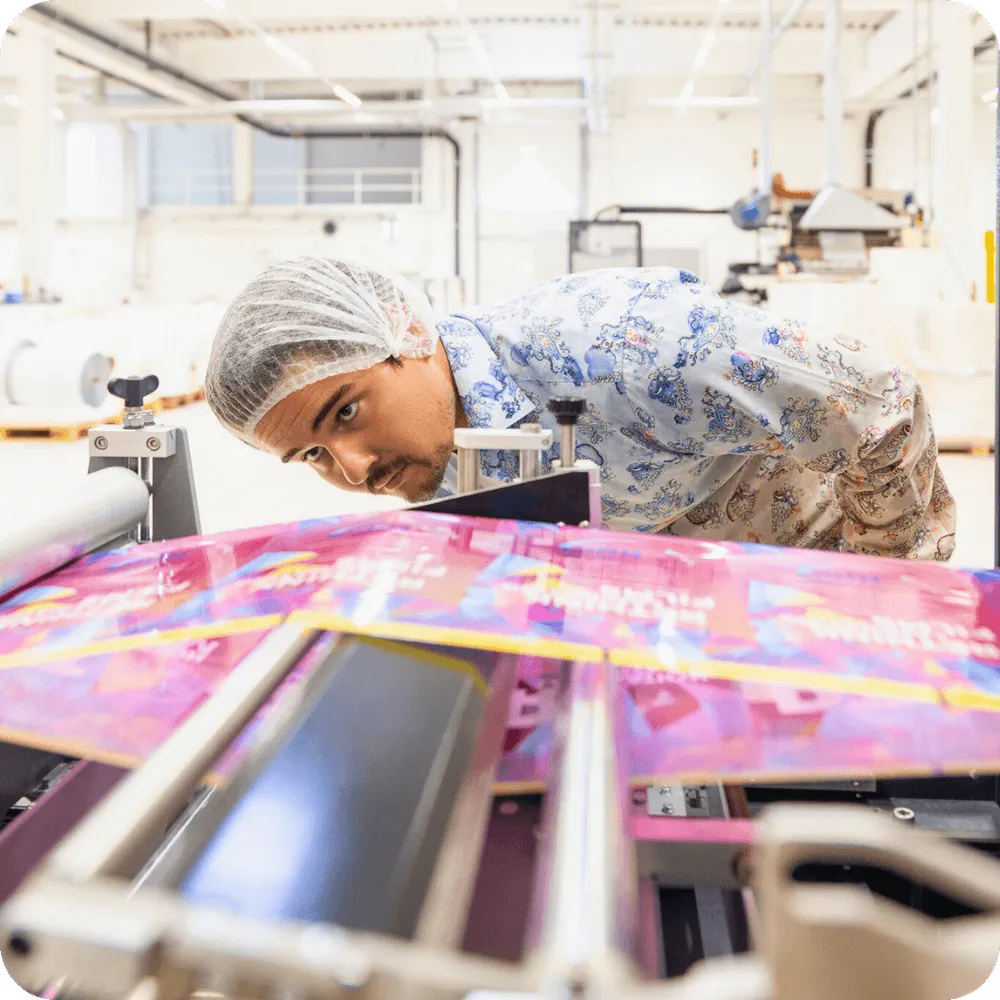
Pharmaceutical packaging is subject to extensive legal requirements, which means that our standards in this sector are particularly high. We support our customers throughout this demanding process through our strong commitment to quality and the technology available to us.
Whether the requirement is laser-cut tamper-evident protection or sequential numbering, our die-cutting and laser technology and digital printing allow us to implement demanding solutions to a high standard and cost-effectively. We also work exclusively with HACCP-certified manufacturers.
The requirements for pharmaceutical packaging are diverse:
We cover all of these factors at packaging warehouse - with our special packaging offering for the pharmaceutical industry.

Until the German Federal Ministry of Health was established in 1961, different areas of medicines legislation were governed by separate regulations. A dedicated Medicinal Products Act was introduced in 1961 to provide a uniform legal framework.
The Act was gradually subjected to increasingly stringent requirements. The inclusion of an expiry date has been mandatory in Germany since 1986, while the name of the medicinal product has had to appear in Braille since 2004. Further criteria have been added over time, particularly for pharmaceutical packaging. These include:
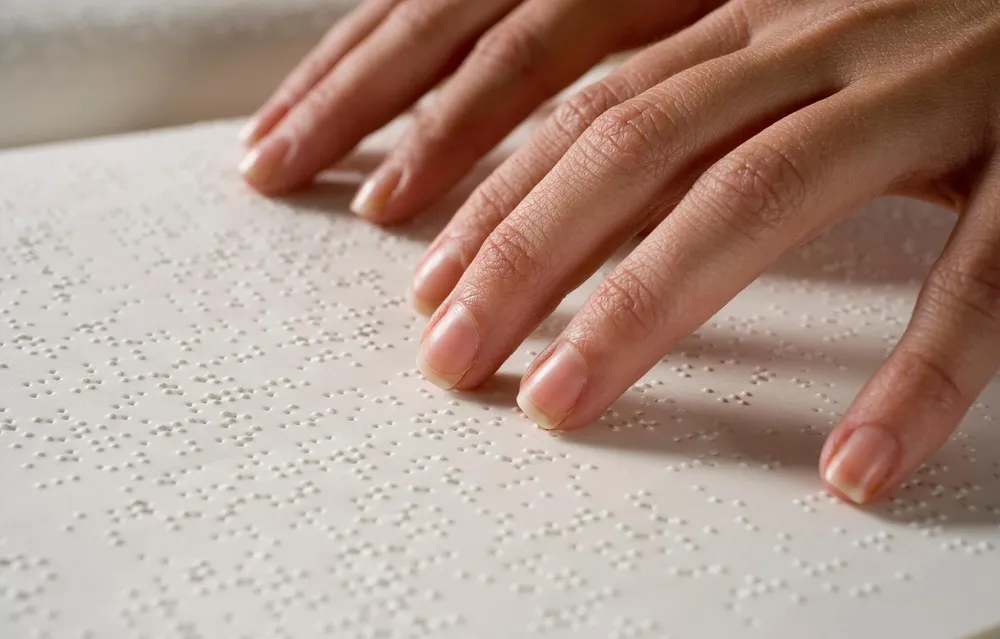
The name of a medicinal product has been required in Braille on pharmaceutical packaging under the German Medicinal Products Act since 2004. It is also required under European legislation governing medicinal products for human use. The Braille characters must be embossed to a high standard so that they remain quick and easy to identify by touch.
The material plays an important role because Braille is easier to read by touch on smooth surfaces than on textured ones. The height of the embossed dots and the spacing between them also affect legibility.
As the need for medicines increases with age, older people account for a significant proportion of medicine users. Reduced dexterity can make pharmaceutical packaging increasingly difficult to handle.

Declining eyesight may also make it harder to read information correctly and remove the appropriate dosage from the packaging. Packaging for medicines should therefore be accessible and safe for older people and meet criteria such as:
RFID, NFC and QR codes may also provide additional functions. When scanned with a smartphone or digital display, they can provide information such as the date of first opening or the number of units removed. They can also display or read out patient information leaflets and other content.
Pharmaceutical products are very diverse in their properties and can be produced in different aggregate states, for example:
All these products require reliable barrier protection against external influences. Pharmaceutical packaging helps prevent the products from becoming contaminated or contaminating other items. At packaging warehouse, barrier performance is an important consideration for every packaging format.
Our pouch materials offer high-performance barriers against:
This provides pharmaceutical products with reliable protection against external influences and supports safe shipping.
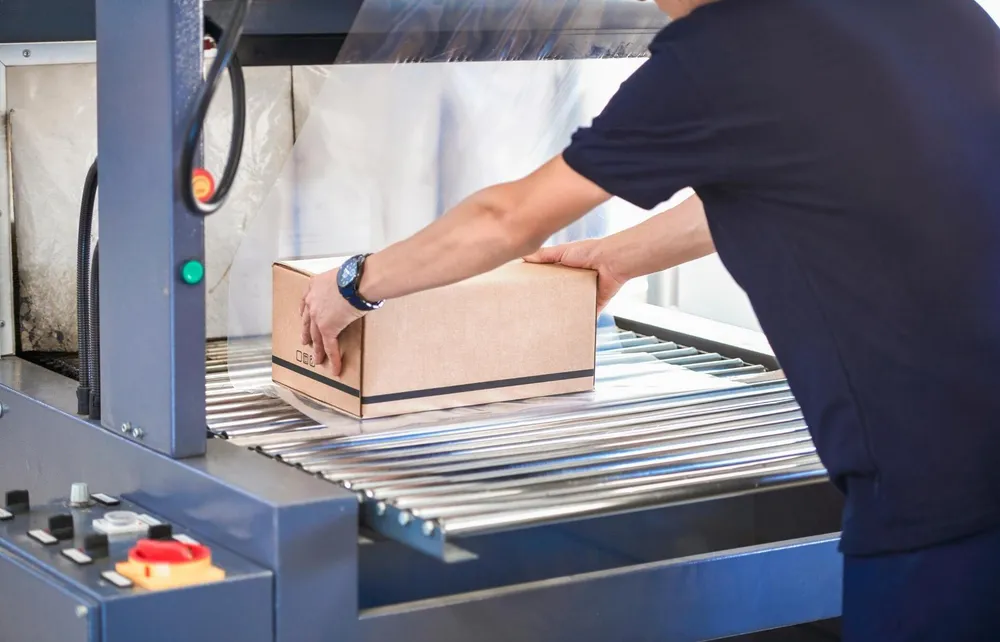
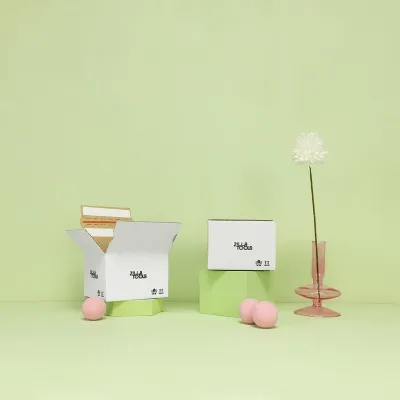
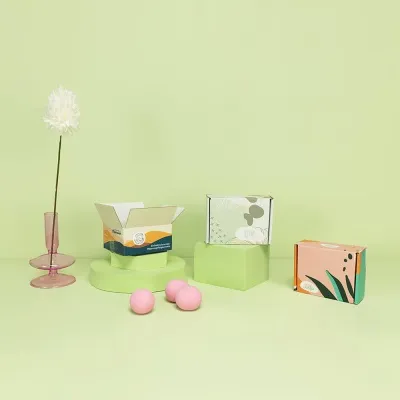
Our shipping boxes, available in high grammages and material thicknesses, protect medicines and medical devices against impacts, pressure and falls.
Pharmaceutical products may also have specific storage requirements. In some cases, cryogenic cooling may be necessary. Selecting suitable packaging materials is essential to protect the product at very low temperatures. Our team will be happy to advise you on the appropriate solution.
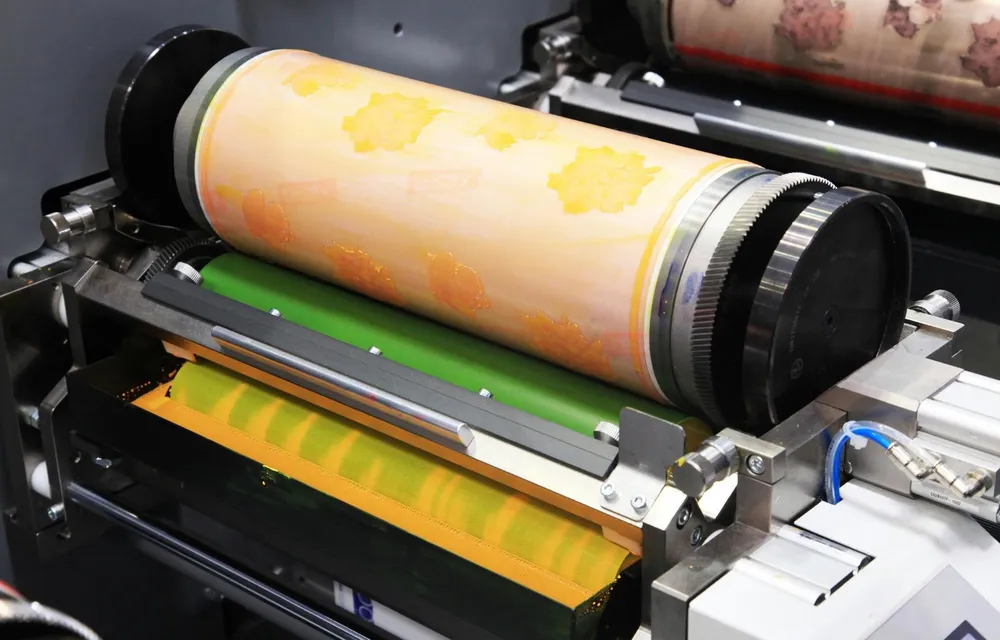
At packaging warehouse, we use offset and digital printing technologies. Digital printing is particularly suitable for meeting specific pharmaceutical-packaging requirements because it does not require static printing plates.
Its advantages include:
A key advantage is the high level of personalisation. Sequential product numbers can be adjusted for every individual medicine package, including in small quantities.
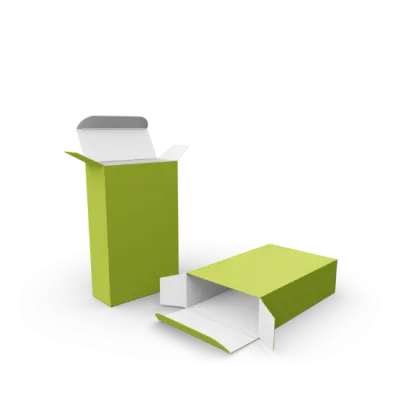
Folding boxes
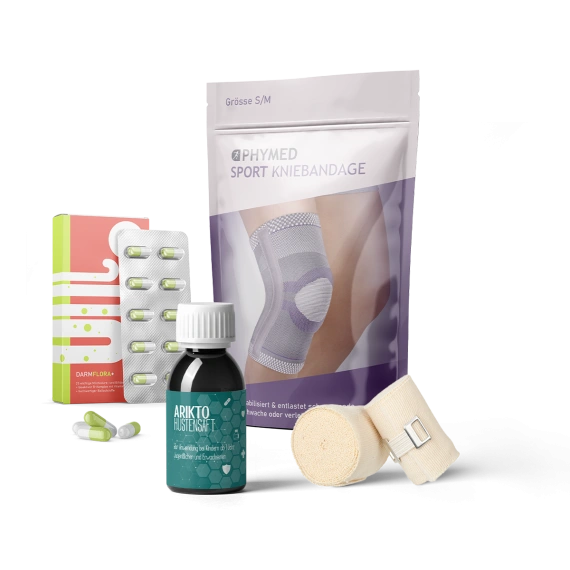
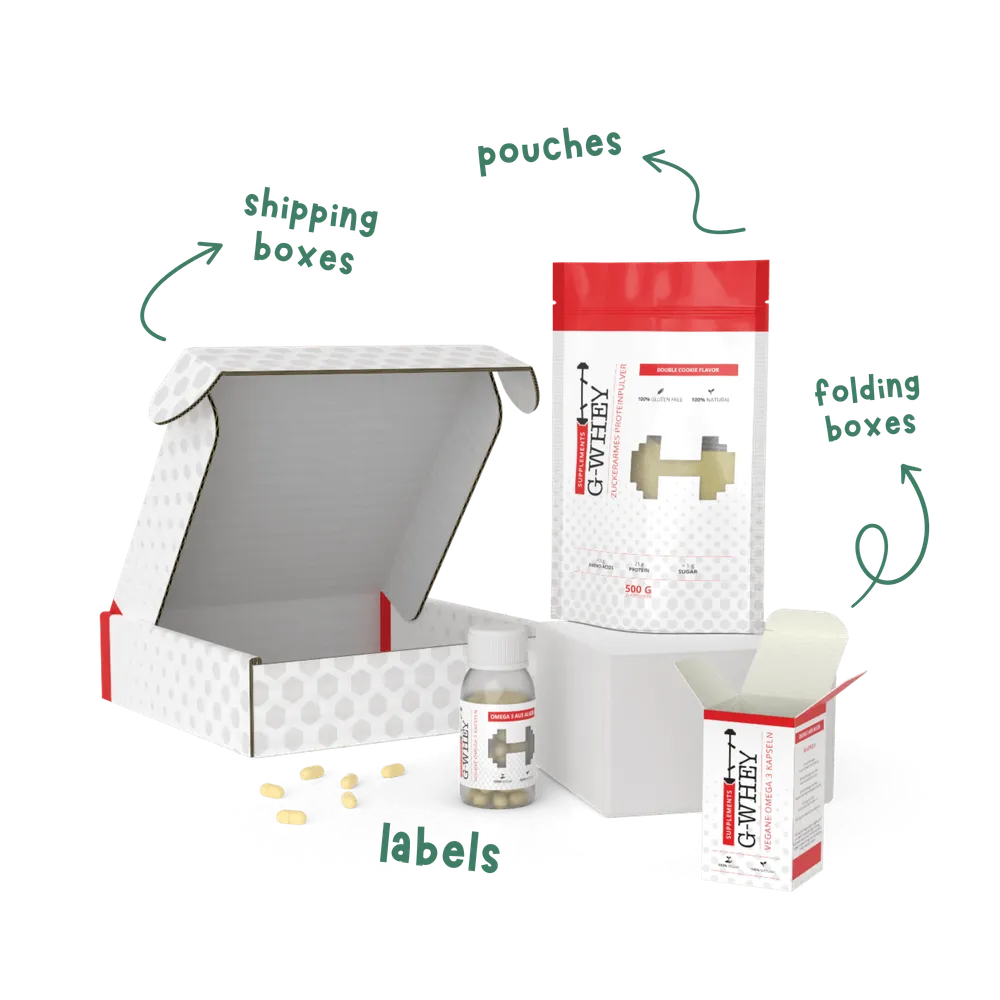
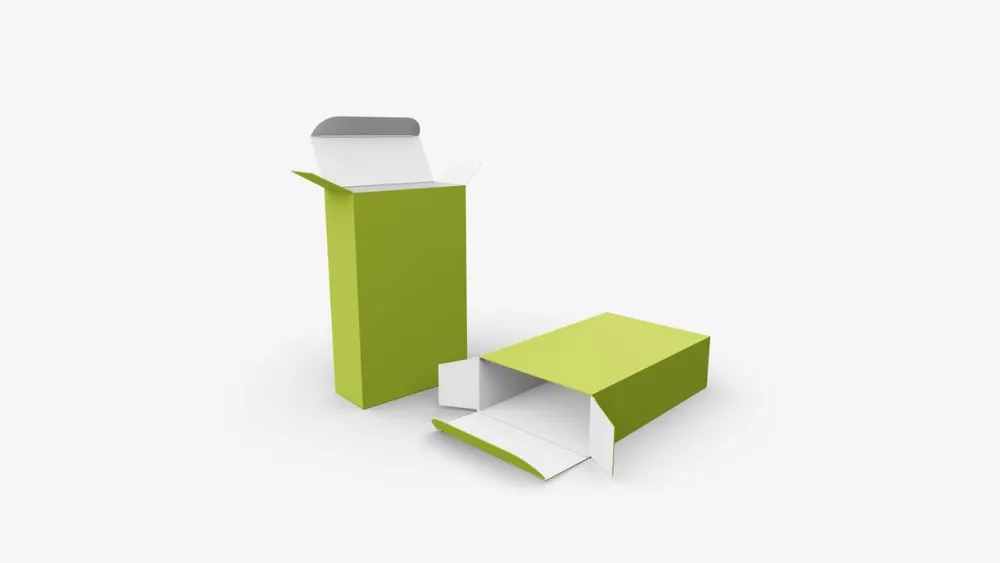
These packaging classics are especially suitable as outer packaging for pharmaceutical products. Whether blisters, vials, jars, tubes or similar: In our Folding boxes all products are optimally secured against external influences such as impacts or falls and can also be used quite easily for the presentation of goods. They are available in various basic designs:
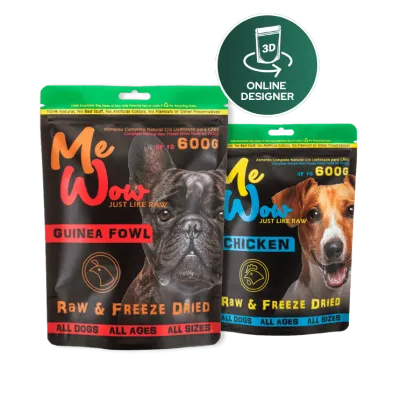
Stand-up and flat pouches
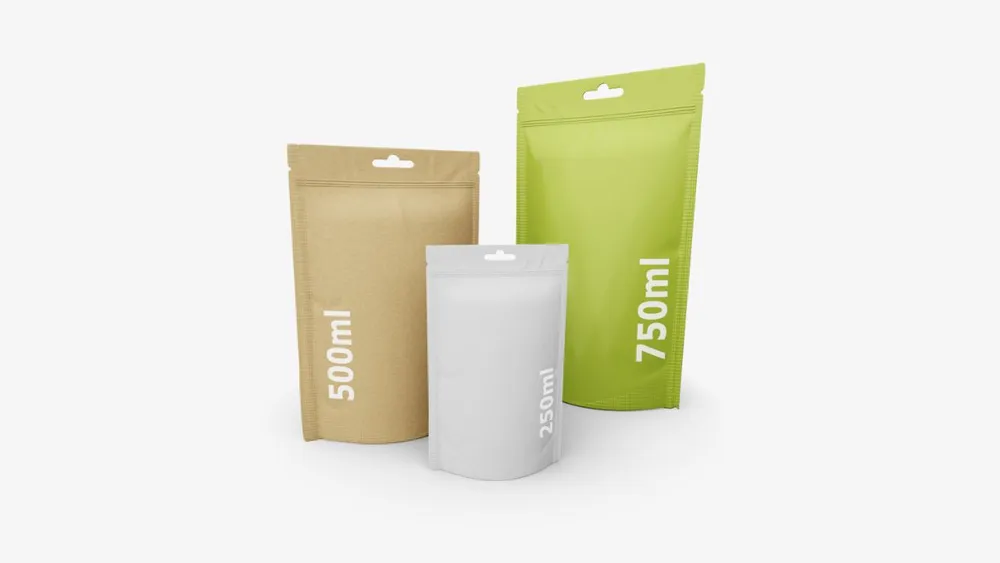
Pouch packaging is the ideal choice for liquids, capsules or powders and offers high barrier performance. After filling, they are sealed airtight to provide an insurmountable barrier to oxygen, steam, flavors and UV radiation.
The pouch packaging for pharmaceutical products are available in various sizes and optionally with Euro perforation or round perforation. Our selection includes doypacks, K-bottom pouches and flat pouches - in the following styles:
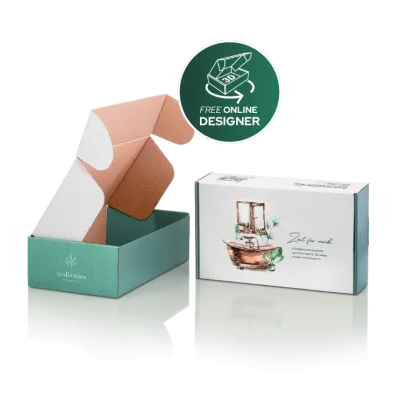
Shipping boxes
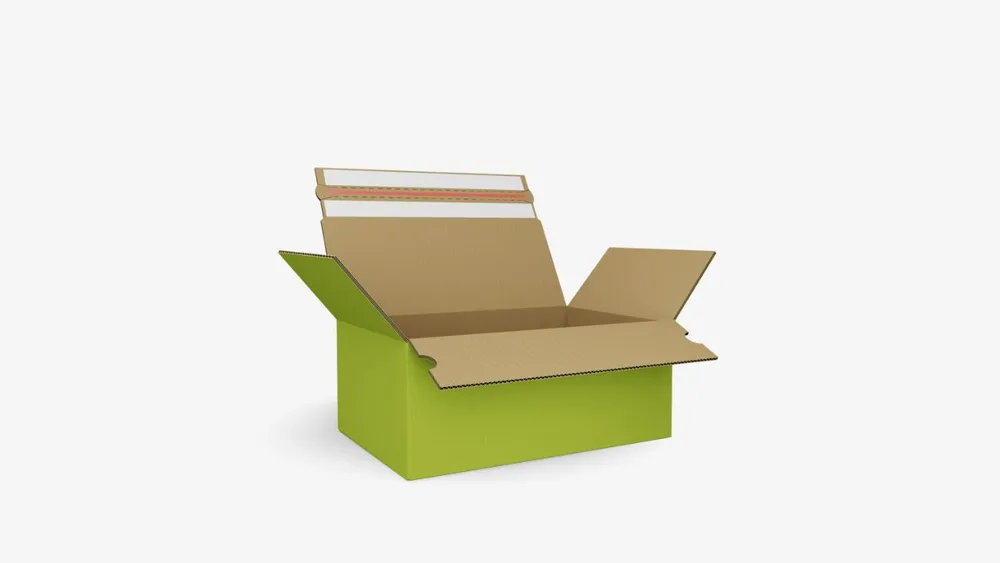
To ensure the safe shipment of sensitive goods, our shipping boxes are the perfect solution for items from the pharmaceutical sector. Thanks to the strong corrugated cardboard, they guarantee complete protection during transportation. They also allow stacking and shipping of multiple items and, depending on the type of flute, are designed for a transport weight of up to 32 kilograms.
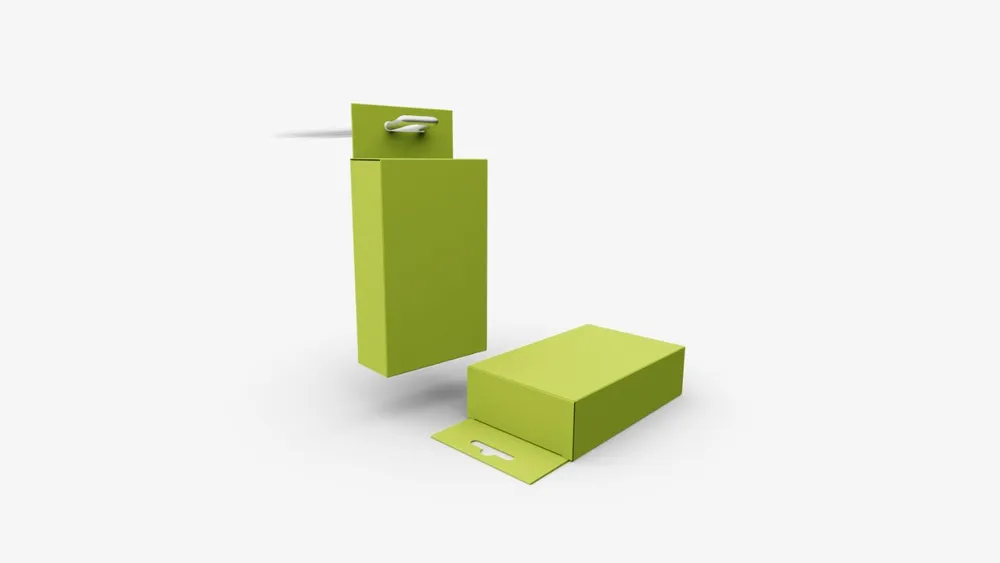
Euro slot hanger
In combination with a glued or welded plastic film former, Euro slot hanger are ideal for all medical products that need to be packaged under a sealed protective cover but visible to the consumer. The hangers are also a useful extension to other packaging such as folding boxes.
Due to standardization, all items that have Euro perforation are easily compatible with all suspension systems of the same standard. Euro slot hangers can be used to present your products directly in the checkout area of drugstores or pharmacies. Therefore, they are the perfect solution especially for POS items.
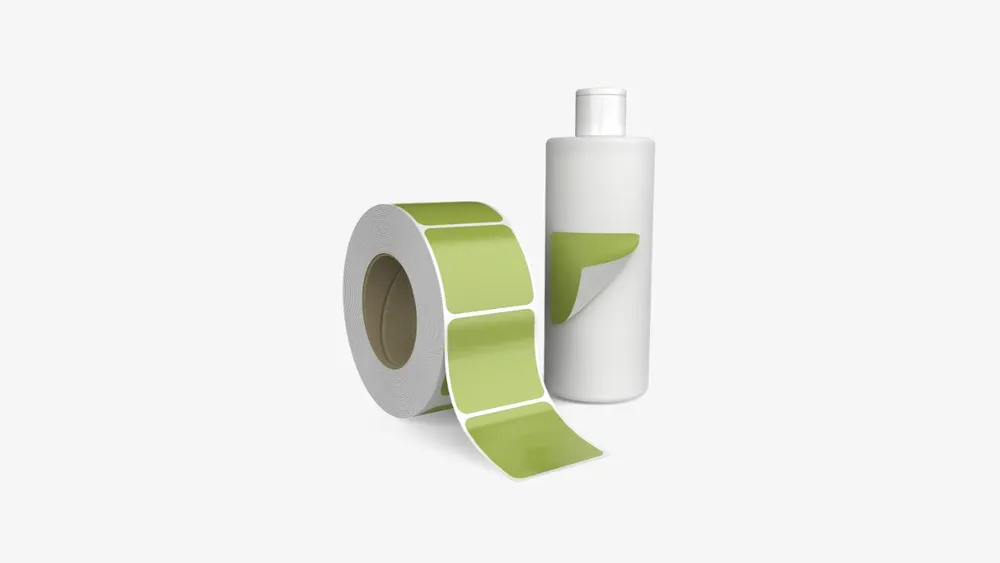
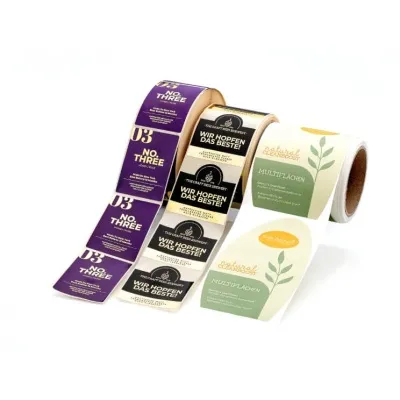
Labels
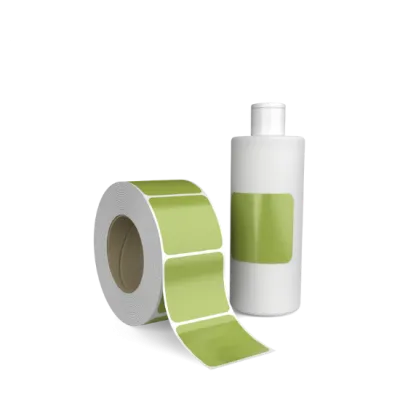
Labels for pharmaceutical products have special tasks - because they also function as first-opening protection. For this purpose, they are stuck over the opening of the pharmaceutical packaging as a seal. Our roll labels made of foil are particularly suitable for this purpose. They can not be peeled off in one piece and therefore provide very good security.
The lettering on labels must be high-contrast and easy to read - throughout the entire period of use. Printed in different colors, they help the elderly in particular to differentiate their medicines and minimize the risk of confusion. High resistance to moisture, alcohol, mechanical influences and light chemicals is also particularly important for medical product packaging.
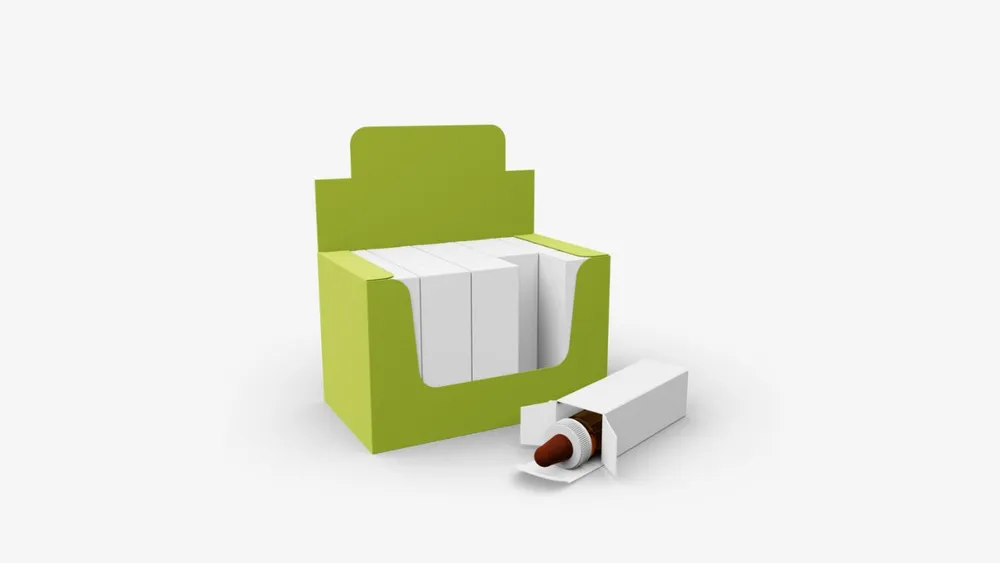
Counter displays
They are not only used for the safe transport of goods, but also function as an individually printable sales surface at the point of sale. The counter displays allow pharmaceutical products to be presented efficiently, effectively and in a way that attracts attention.
The hinged cardboard lid can be used as additional advertising space and printed as required. This is the ideal way to present your products. Counter display packaging is available in the following variants:

Pillow boxes
They generate attention at the point of sale due to their eye-catching appearance. Pillow boxes are also very cost-effective to produce and are suitable for all less sensitive or shrink-wrapped products.
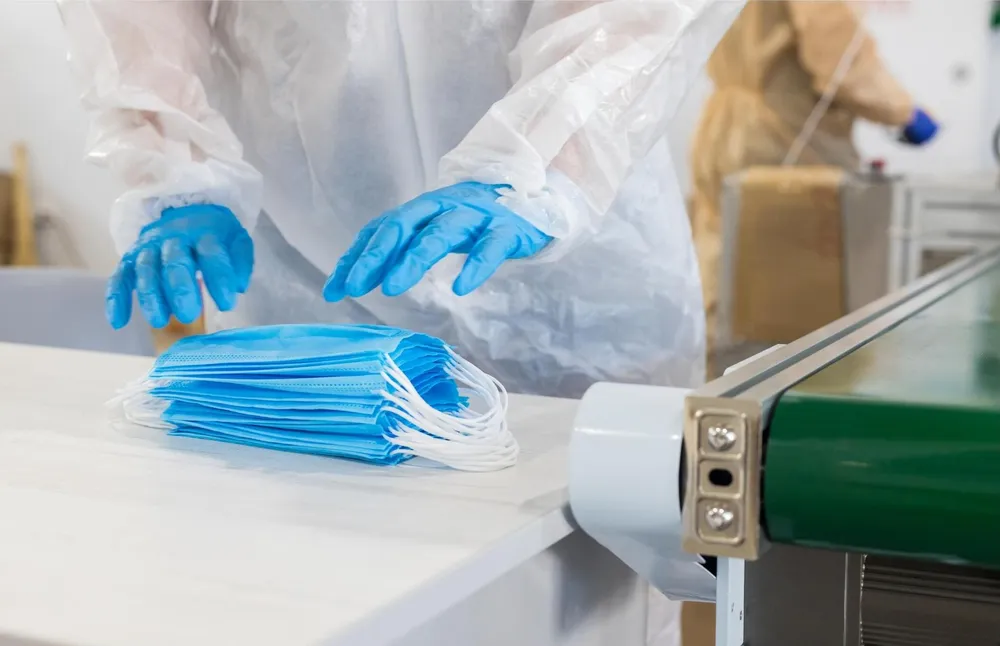
Typical examples of use are earplugs, patches, facemasks or single-use gloves.


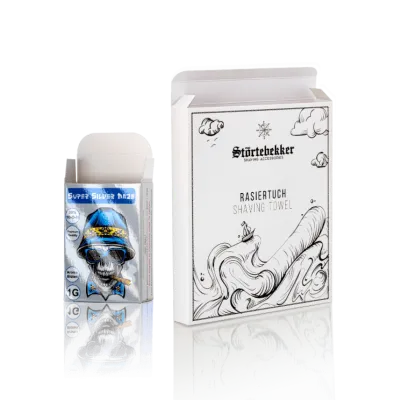 Folding boxes
  Shipping boxes
  Stand-up pouch
  Flexible packaging
  Labels
  Paper cans
  Sample boxes
 .png)