

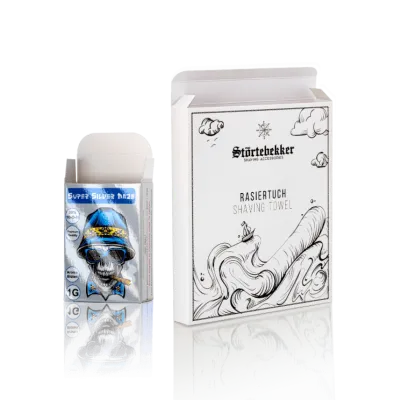
 Folding boxes
  Shipping boxes
 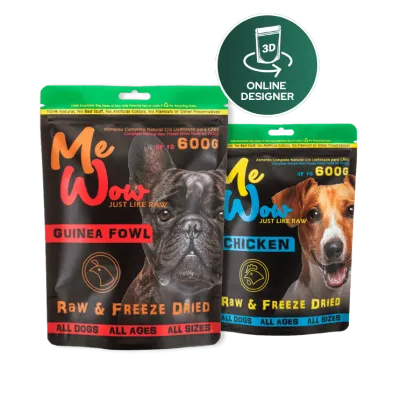 Stand-up pouch
  Flexible packaging
 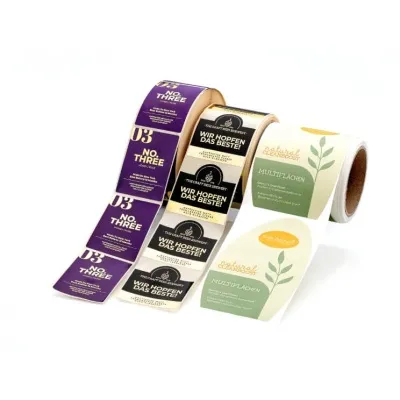 Labels
 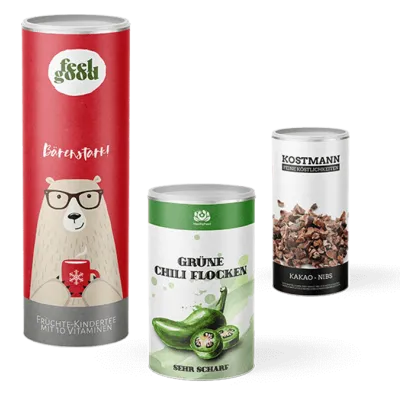 Paper cans
  Sample boxes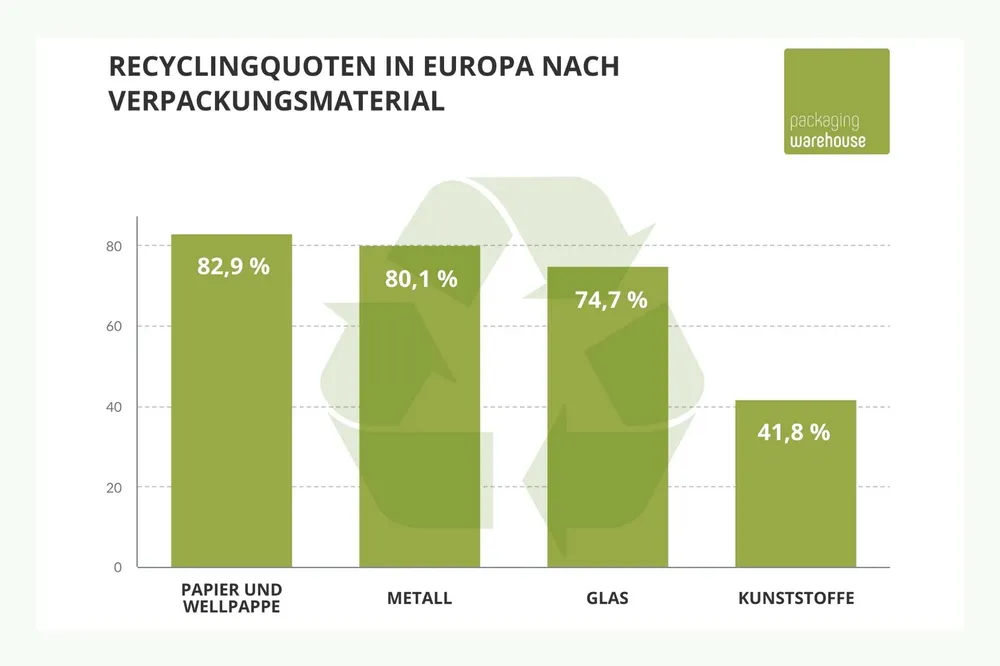
CORRUGATED BOARD: HIGH RECYCLING RATES WITH POTENTIAL FOR IMPROVEMENT
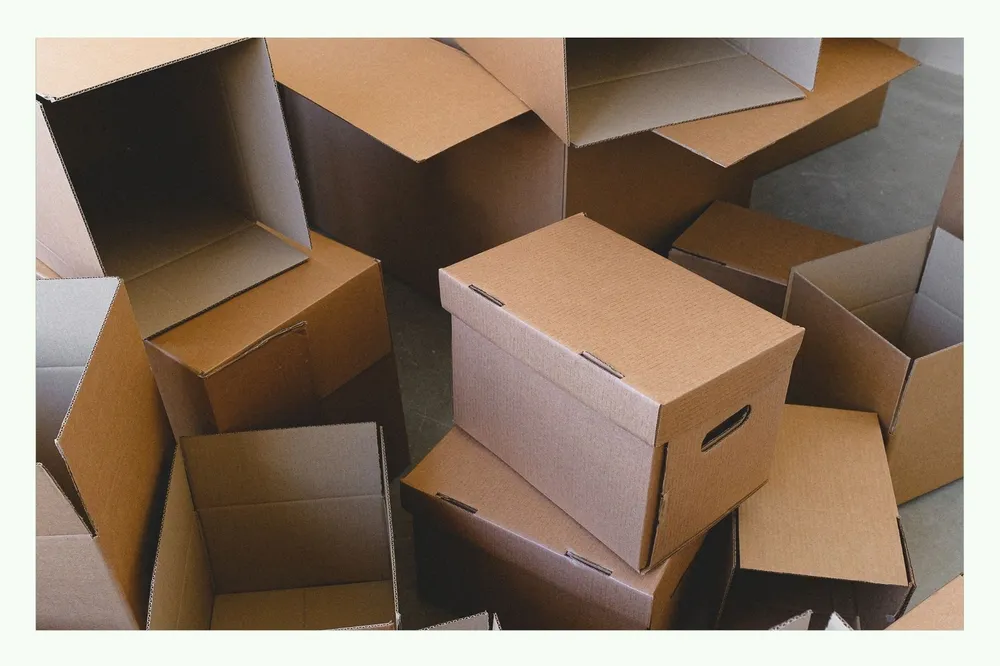
Paper and corrugated board packaging can be recyclable, depending on the complete packaging structure and the available collection, sorting and recycling infrastructure. FEFCO’s recyclability guidelines therefore focus on packaging design and on factors such as coatings, laminates, adhesives and other material components that can influence the recycling process.
But to increase the lifetime and barrier function of corrugated board, it is often necessary to add fibers and protective layers of other materials to the packaging. For example, when a product needs to be reliably protected from moisture.
Material combinations of this kind happen for good reason, but in certain cases they pose a challenge for recycling. For example, disposal and recycling costs can increase, damage can occur to the processing machinery in paper factories, or the quality of the final recycled product can decrease.
THE NEW FEFCO GUIDELINES
With the new guidelines published at the beginning of November 2021, FEFCO wants to make a contribution to improving the recyclability of paper and cardboard packaging. The measures presented therein are primarily addressed to the developers of packaging goods, but also to customers from trade and industry.
CONCRETE RECOMMENDATIONS
1. Reduction of plastic
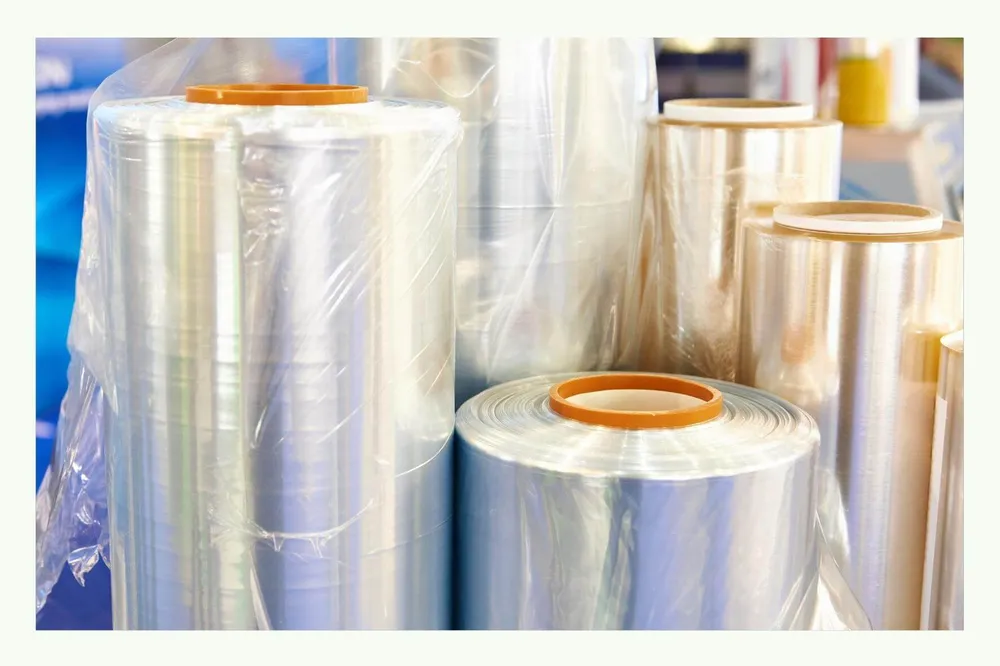
Among other things, FEFCO recommends minimising plastic content in paper and corrugated packaging where possible in order to support recyclability. Biodegradable variants are also included in this recommendation. FEFCO’s 2021 guideline recommended limiting plastic content to no more than 5% of the pack weight, with less than 3% preferred.
Among other things, FEFCO recommends minimising plastic content in paper and corrugated packaging where possible in order to support recyclability. Biodegradable variants are also included in this recommendation. FEFCO’s 2021 guideline recommended limiting plastic content to no more than 5% of the pack weight, with less than 3% preferred.
2. Renunciation of certain plastics
However, FEFCO points out that not all types of plastics are equally problematic. In particular, polymers with low shear strength should be avoided, as they can disintegrate in the pulpers. Also for plastics that have the same density as paper fibers, alternatives should be looked for. These material combinations can make the separation of paper and plastic more difficult during the recycling process.
3. Separable plastic elements
Plastic packaging components (such as laminations) should not adhere too strongly to paper and cardboard, i.e. they should be easily removable. On the one hand, laminations should be easily removed by water-based processes. Ideally, the packaging design should allow consumers to separate the plastic component and place it in the appropriate waste stream. Consumers should also be encouraged by the packaging design to separate it themselves.
However, FEFCO points out that not all types of plastics are equally problematic. In particular, polymers with low shear strength should be avoided, as they can disintegrate in the pulpers. Also for plastics that have the same density as paper fibers, alternatives should be looked for. These material combinations can make the separation of paper and plastic more difficult during the recycling process.
3. Separable plastic elements
Plastic packaging components (such as laminations) should not adhere too strongly to paper and cardboard, i.e. they should be easily removable. On the one hand, laminations should be easily removed by water-based processes. Ideally, the packaging design should allow consumers to separate the plastic component and place it in the appropriate waste stream. Consumers should also be encouraged by the packaging design to separate it themselves.
4. Coatings containing metals
Metal-containing coatings and laminations should also be avoided. The reason for this is that small metal particles can become detached and cause problems with measuring equipment in paper factories. In addition, the particles that are not removed eventually contaminate those paper and corrugated board products that are produced from recycled material.
5. Varnishes
Furthermore, FEFCO advises against certain UV-cured coatings and coatings containing polymer or wax particles because they can interfere with conventional paper recycling processes. Also coatings containing fine particles of polymers and waxes should be avoided. Both cannot be removed without leaving residues in paper factories.
6. Adhesives
With regard to adhesives, FEFCO emphasizes that adhesives that do not plasticize or soften at temperatures above 35 °C should be preferred. This is in fact the usual temperature in the pulpers. In this context, FEFCO recommends adhesives that remain suitable for the intended paper recycling process under typical pulper conditions.
Metal-containing coatings and laminations should also be avoided. The reason for this is that small metal particles can become detached and cause problems with measuring equipment in paper factories. In addition, the particles that are not removed eventually contaminate those paper and corrugated board products that are produced from recycled material.
5. Varnishes
Furthermore, FEFCO advises against certain UV-cured coatings and coatings containing polymer or wax particles because they can interfere with conventional paper recycling processes. Also coatings containing fine particles of polymers and waxes should be avoided. Both cannot be removed without leaving residues in paper factories.
6. Adhesives
With regard to adhesives, FEFCO emphasizes that adhesives that do not plasticize or soften at temperatures above 35 °C should be preferred. This is in fact the usual temperature in the pulpers. In this context, FEFCO recommends adhesives that remain suitable for the intended paper recycling process under typical pulper conditions.