

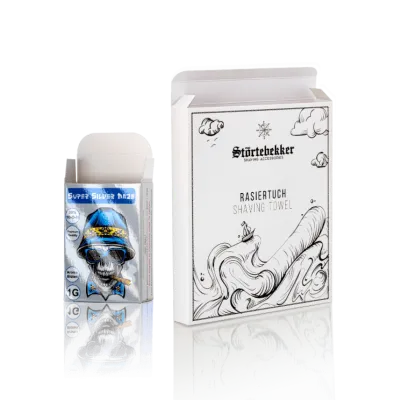
 Folding boxes
 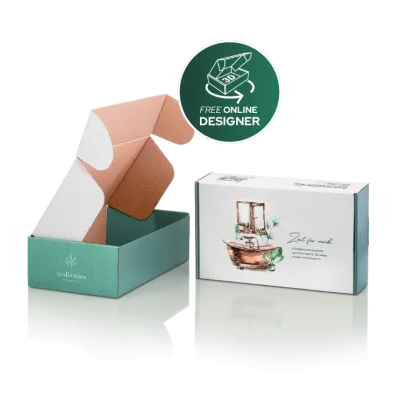 Shipping boxes
 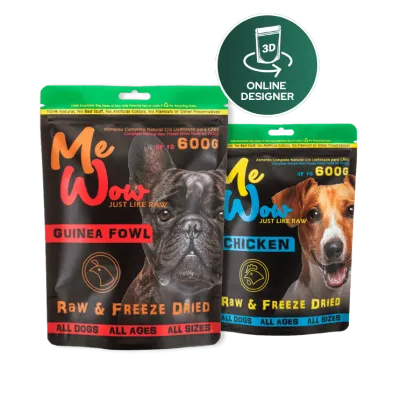 Stand-up pouch
  Flexible packaging
  Labels
  Paper cans
  Sample boxes
 As much as necessary, as little as possible – when choosing and designing your packaging, you have numerous options to reduce material use and waste. From adjusting the size of your packaging to choosing the right material, packaging warehouse shows you what you can do. From adjusting the size of your packaging to choosing the right material, packaging warehouse shows you what you can do.
And you should do the same. Surveys confirm again and again that sustainable packaging is becoming more and more important for customers, especially when shopping online. So it's not just about doing something good for the environment. With the right packaging, you are also closer to the wishes of your target group - sustainability promotes customer loyalty and becomes a real competitive advantage.
Tip 1: Raw materials - It doesn't always have to be new
New raw materials for paper, cardboard and plastic packaging are usually cheap. Above all, they are usually cheaper than the recycled alternatives. However, greater use of new materials does not make the packaging better during production. According to laboratory studies, paper fibres can be recycled many times – in some tests 25 times or more – before their properties deteriorate significantly.
Wherever possible, opt for packaging with a high proportion of recycled material. This reduces the demand for virgin raw materials such as wood fibres or fossil-based plastics.
Tip 2: Recyclability - think about the future before
Sustainability always covers the entire life cycle of a product, and packaging is of course no exception. When selecting materials, you should therefore not only pay attention to sustainable procurement and production. Other questions are also decisive:
- What comes next?
- What happens to the packaging after it has done its job and is no longer needed?
- Or is it possibly still needed?
Recyclability is a key factor: the better packaging can be recycled, the more valuable it is for the circular economy. With the right materials, you lay the foundation for efficient recycling and high-quality recyclates. The better it can be recycled, the more valuable it is for the circular economy. And the more it helps to conserve the earth's resources. Which brings us to our Tip 1. With the right packaging materials, you create the basis for efficient recycling, high-quality recyclates - and sustainable new packaging recycling material.
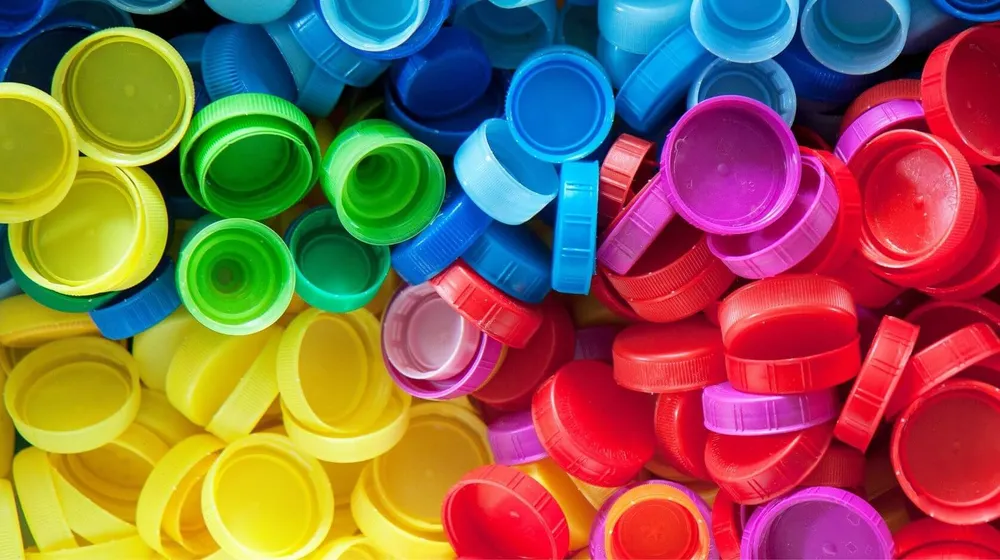
Better plastic recycling
Plastic recycling can reduce the demand for new plastic. Studies show that using recyclates can also cause lower greenhouse gas emissions than producing new plastic – depending on the material and process.
Mono-material packaging made of PE or PP, for example, can be well suited to recycling – provided that barrier layers, adhesives, printing inks and closures are also compatible with the respective recycling stream. From which high-quality products are created once again.
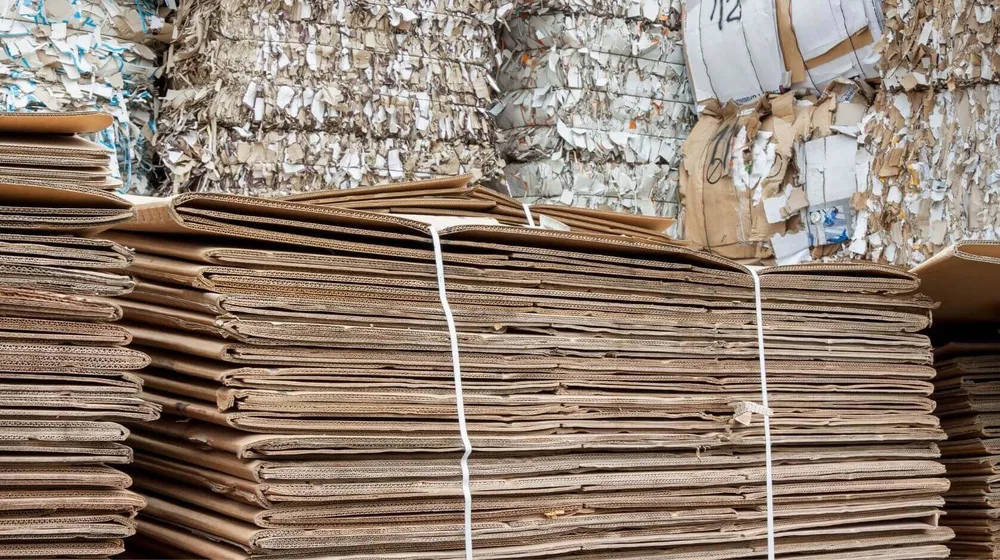
Durable paper recycling
A so-called secondary raw material, waste paper is just as valuable as plastic, because it can demonstrate the same advantages within the recycling process. Paper fibres can be recycled many times before their quality declines noticeably.
Corrugated board and recycled cartonboard such as our GD2 board are made largely from recovered paper, depending on the grade.
Tip 3: Packaging size - because less is actually less
Free formats for shipping cartons, folding boxes and pouches help to customize your packaging optimally to your product. This is not only practical because individual package sizes can be implemented easily and accurately - customized, so they say. There are also a number of other benefits to be gained from customized packaging:
Less packaging material
"Perfect fit" generally means "smaller". Which in turn means that less material is needed in the production of the packaging. This saves resources, which is not only important ecologically. You can save costs at the same time, because you actually only pay for the packaging you really need.
Less filling material
Large boxes with plenty of filling material are still very common, especially in the mail order business. Plastic air cushions, paper inserts or other materials are basically unnecessary - if the package size is right and it is optimally designed. Otherwise, they are an additional cost and resource factor.
Less packaging waste
Good for the environment, good for your customers: The less packaging you need, the less waste there is to dispose of. This is fundamentally an important aspect, but one that has been further strengthened by the growth of online retailing. More and more purchases are now made online and have to be transported to consumers. Optimally coordinated packaging - both for the products and for shipping - can help keep the amount of material used as low as necessary or possible.
Few levers, big effect
More care and foresight in the selection of materials, improved conditions for subsequent recycling, and packaging that adequately protects the product and does not just contain air. There are comparatively few levers you need to pull for sustainable packaging design.
But in the end, everyone benefits: you use less material, save costs, and your customers receive high-quality packaging with less waste – packaging that can be recycled if its structure and the local collection system allow it.