


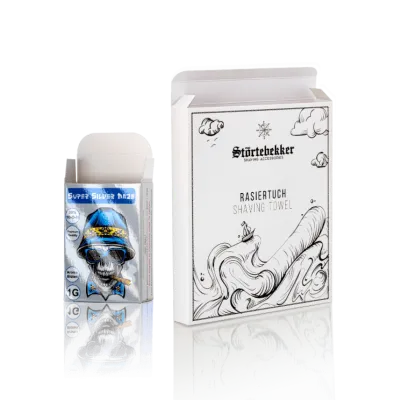
 Folding boxes
 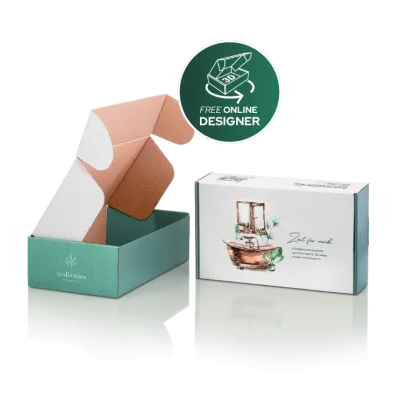 Shipping boxes
 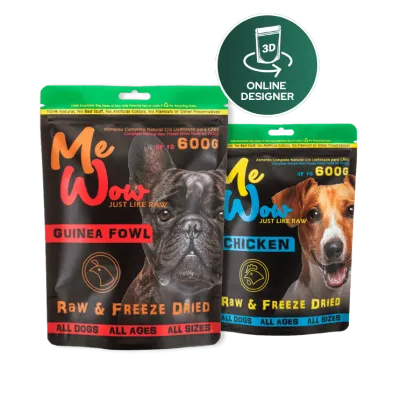 Stand-up pouch
  Flexible packaging
 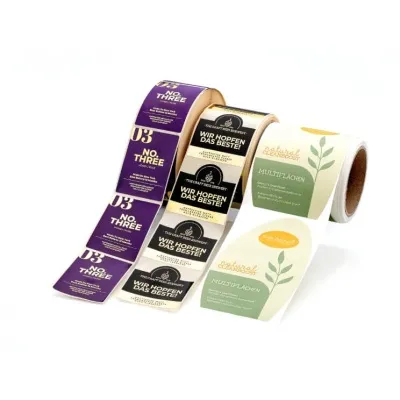 Labels
 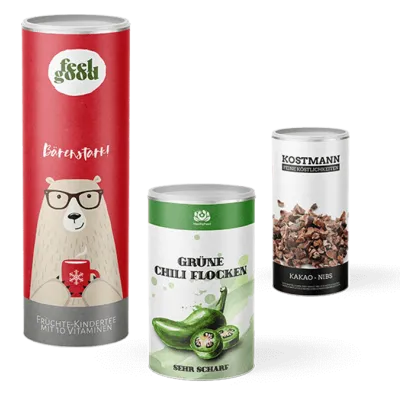 Paper cans
  Sample boxes
 SOLUTIONS FOR THE MAIL ORDER BUSINESS
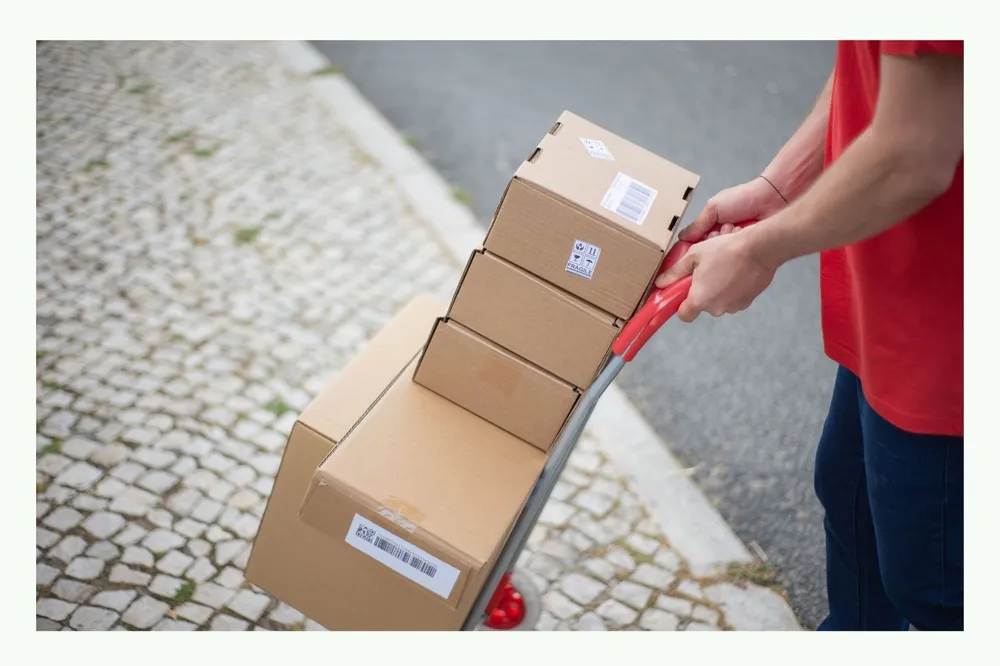
One trend that is becoming increasingly apparent, for example, is the use of reusable packaging such as plastic shipping bags and boxes. The underlying concept is simple: the packaging is quite simply returned after delivery, cleaned and reused.
In practice, boxes and cartons made of corrugated board are still by far the most common shipping packaging in mail order, with a share of around 90 percent ([source, year]). This is unlikely to change soon – for practical reasons, and because corrugated board often performs well in greenhouse gas comparisons (see below).
GREEMHOUSE GAS BALANCE: CORRUGATED BOARD OFTEN SLIGHTLY AHEAD OF REUSABLE PACKAGING
Reusable products generate less waste than disposable products. However, this does not mean that reusable packaging always has the lower greenhouse gas emissions. This is the conclusion of a 2021 analysis by the bifa environmental institute, carried out in cooperation with the Papiertechnische Stiftung (PTS) and commissioned by the German paper industry association DIE PAPIERINDUSTRIE e.V. and the Association of the Corrugated Board Industry (VDW), on the greenhouse gas balances of reusable and disposable shipping packaging.

The conclusion: Both solutions have their justification. Which option has the lower greenhouse gas emissions depends on the specific use case. In most of the applications examined in the study, corrugated board shipping packaging performed slightly better. Waste prevention is desirable, but not the decisive criterion, according to the conclusion.

CORRUGATED CARDBOARD: ADVANTAGES OVER REUSABLE PACKAGING
Reusable plastic boxes are much heavier than corrugated cardboard boxes with the same protective performance. This means that more material is required and more CO2 is emitted during transport. Added to this are environmental impacts from the additional transport and cleaning processes.
The situation is similar for shipping bags: Reusable plastic bags are ecologically more advantageous than cardboard boxes, but they do not perform any better than disposable shipping bags made of corrugated board. Moreover, shipping bags can only be used for certain goods. This means that they are only suitable to a limited extent as a replacement for cardboard boxes.
REUSABLE IN SHIPPING: MIXED ACCEPTANCE
In terms of acceptance, the study came to mixed results: A large proportion of respondents, 85 percent to be exact, were open to the use of reusable packaging and generally rated the concept positively.
However, 66 percent of respondents also associate reusable packaging with extra effort and do not want to have to do much with the packaging after unpacking.
Interestingly, the more pronounced the awareness of sustainability issues was among the respondents, the more critical and negative their attitude towards reusable packaging.
CORRUGATED CARDBOARD: CONSUMERS' FAVORITE
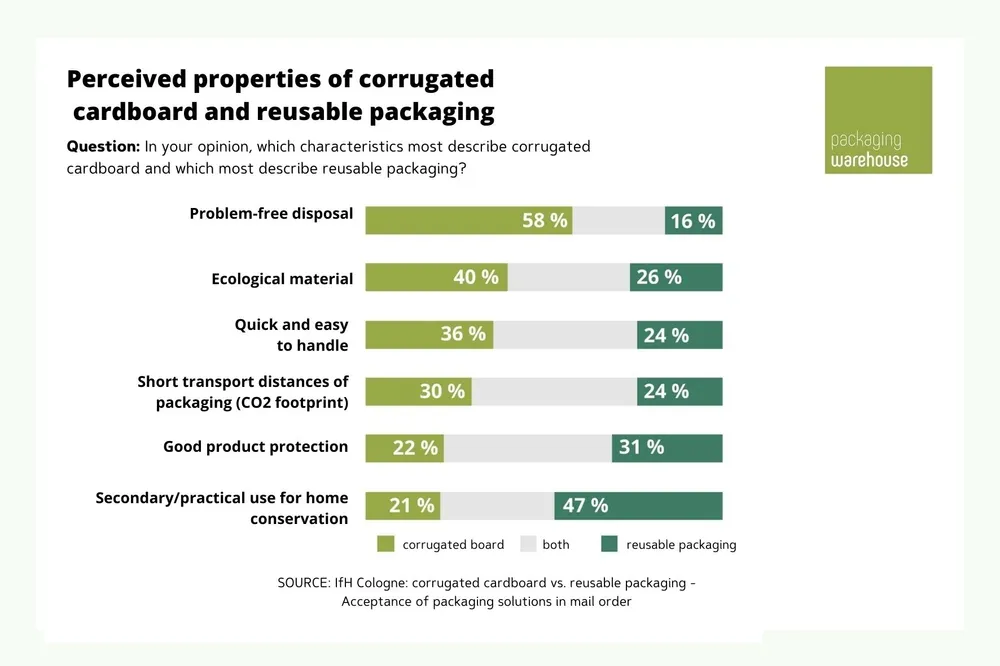
According to the IFH study, shipping packaging made of corrugated cardboard enjoys a significantly better image among consumers. More than twice as many consumers would prefer corrugated cardboard if online retailers offered it alongside reusable packaging. There are many reasons for this, frequently mentioned are:
- The low effort
With corrugated packaging, no return is necessary and no deposit system is needed. - The renewable raw material base
Corrugated board is a paper-based material made from wood fibres, a renewable raw material, and from recovered paper. - The established recycling route
Consumers explicitly value packaging that can be recycled. Corrugated board can generally be disposed of with waste paper and recycled, provided coatings, laminates or adhesive tapes do not impair this – no return system is required.
Nevertheless, most consumers are in favor of reusing packaging, including corrugated cardboard: Nine out of ten respondents agree that they would like online retailers to offer corrugated cardboard packaging from returns again.