


 Folding boxes
 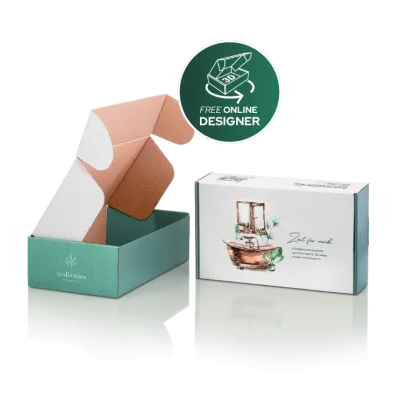 Shipping boxes
 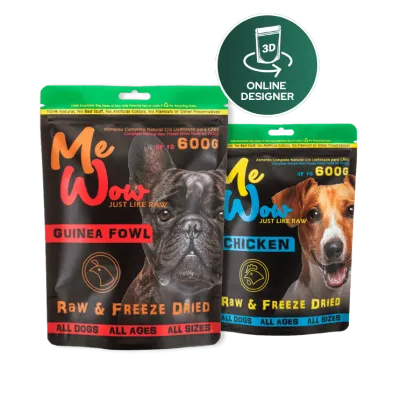 Stand-up pouch
  Flexible packaging
 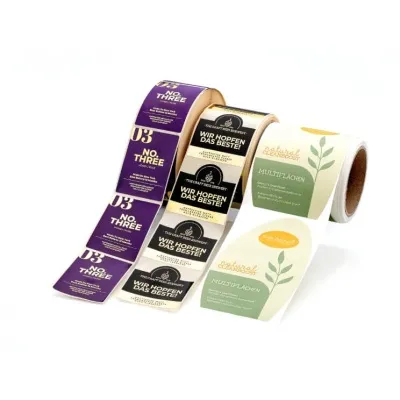 Labels
 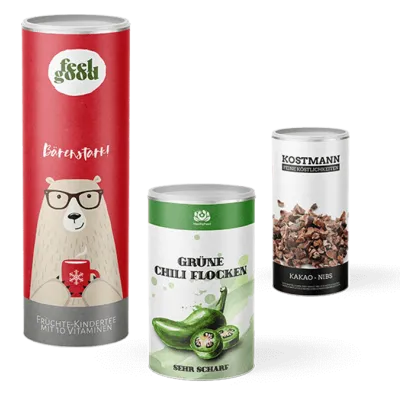 Paper cans
  Sample boxes
 Paper-based folding boxes may be suitable for industrial composting only if the complete finished packaging has been tested and shown to meet the requirements of a recognised compostability standard such as EN 13432. A distinction must be made between home composting and industrial composting, as these involve different conditions and assessment requirements. Under EN 13432, packaging can only be classified as industrially compostable if it meets the standard’s requirements for biodegradability, disintegration during biological treatment, effects on the composting process and effects on the quality of the resulting compost. Despite advertising claims such as ‘biodegradable’ or ‘compostable’, professional associations such as the FFI advise against disposing of folding cartons in the organic waste bin or home compost. Where a folding box is suitable for recovered-paper recycling and accepted by the applicable local collection system, disposal via the waste-paper route should be preferred to home composting so that the recovered paper fibres can enter the paper-recycling process.
Composting folding boxes with printing inks and films
The compostability of packaging materials depends on the composition of all components. Processing techniques such as the use of printing inks, varnishes, hot and cold foil stamping or laminations can significantly influence biodegradability and thus pose a challenge for compliance with the DIN 13432 standard. Certification under EN 13432 requires the complete packaging, including relevant components such as printing inks, plastic films and varnishes, to meet the applicable test and evaluation criteria for industrial compostability.