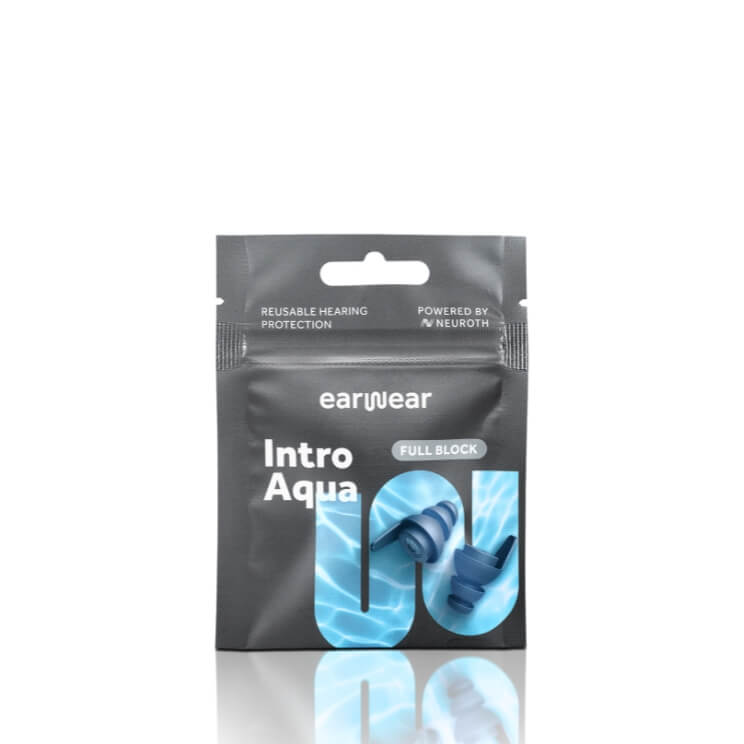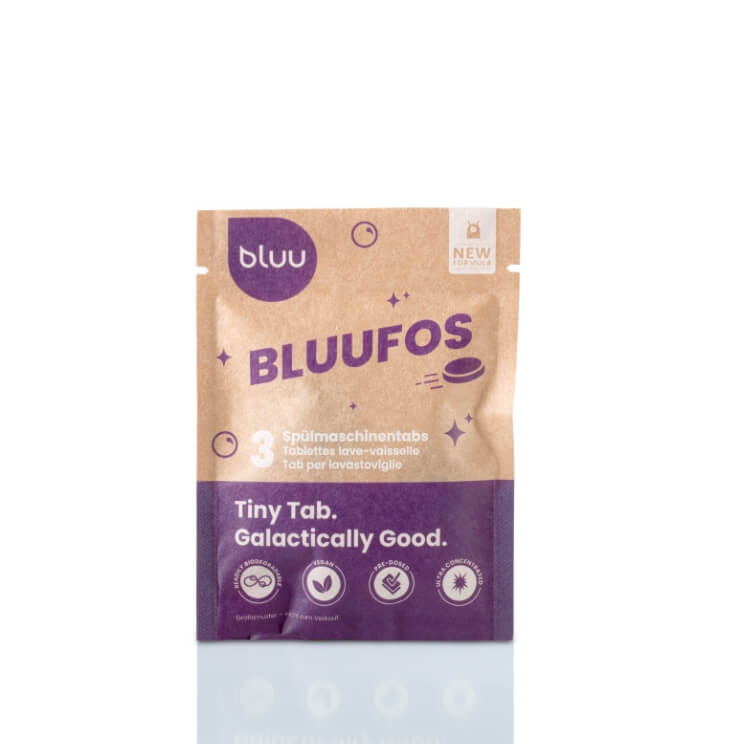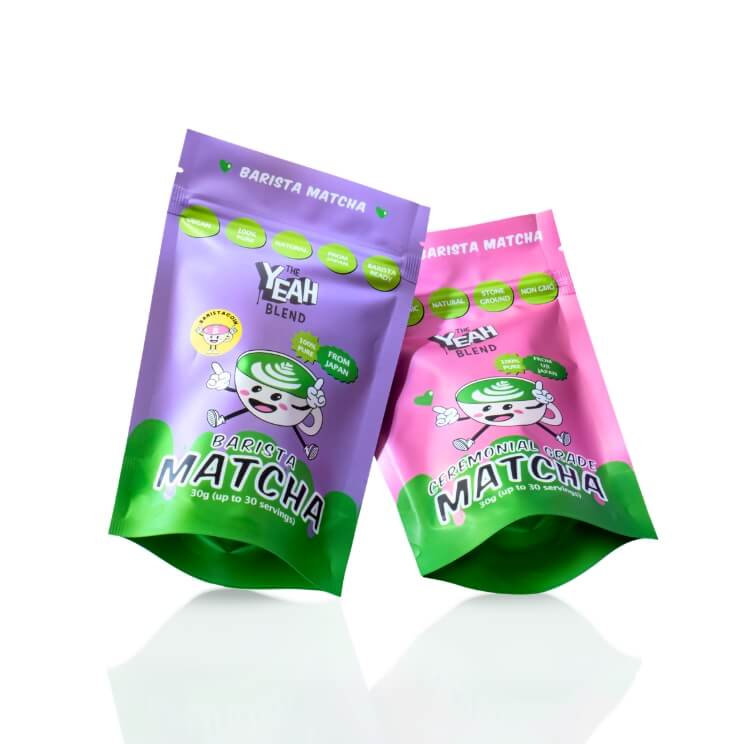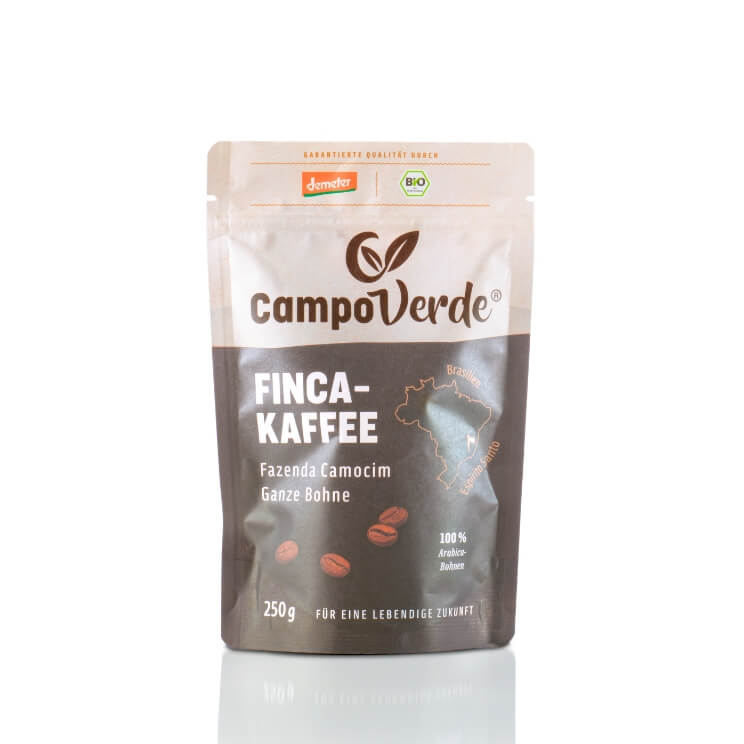

5 Stars
Made in Germany
Free Delivery

Material finder for flexible packaging

Quality made in Germany

Innovative materials for maximum product protection and sustainability

We manufacture our laminate materials in Germany at our own production facilities. To do so, we select high-quality base films from international market leaders and source them regionally wherever possible. This means you do not get an off-the-shelf standard solution, but packaging materials designed for quality, reliable processing and real-world performance. Within ISO 9001- and HACCP-certified processes, we use these materials to develop modern packaging solutions as well as innovative mono-PE and mono-PP structures that combine recyclability and product protection in a meaningful way.
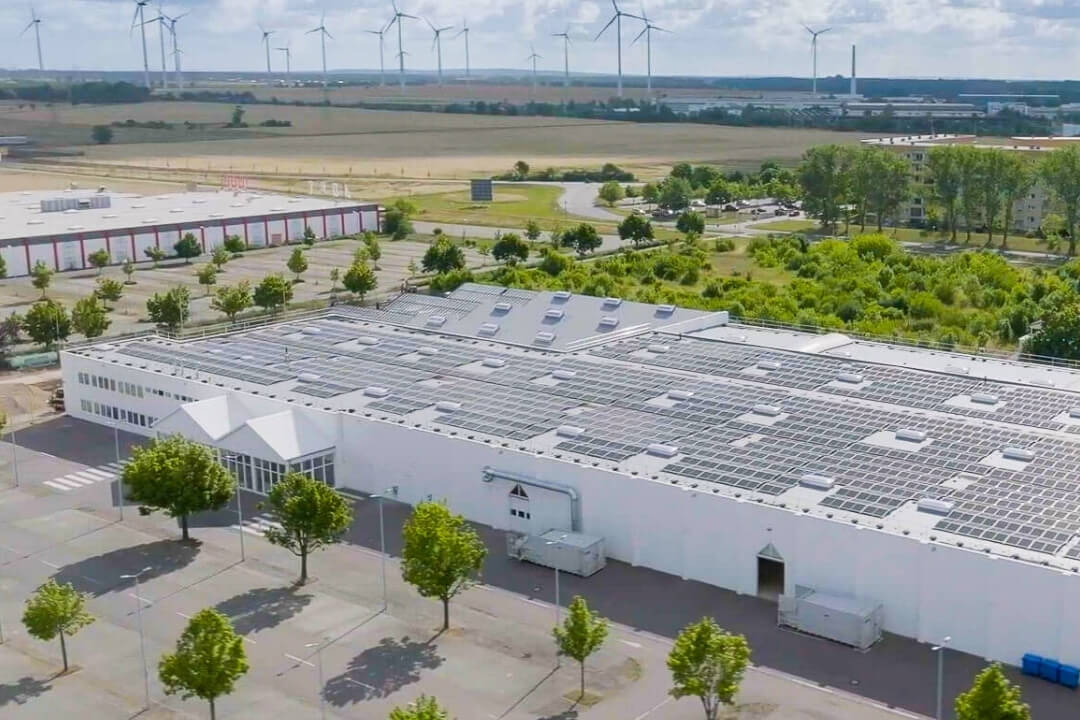
company building
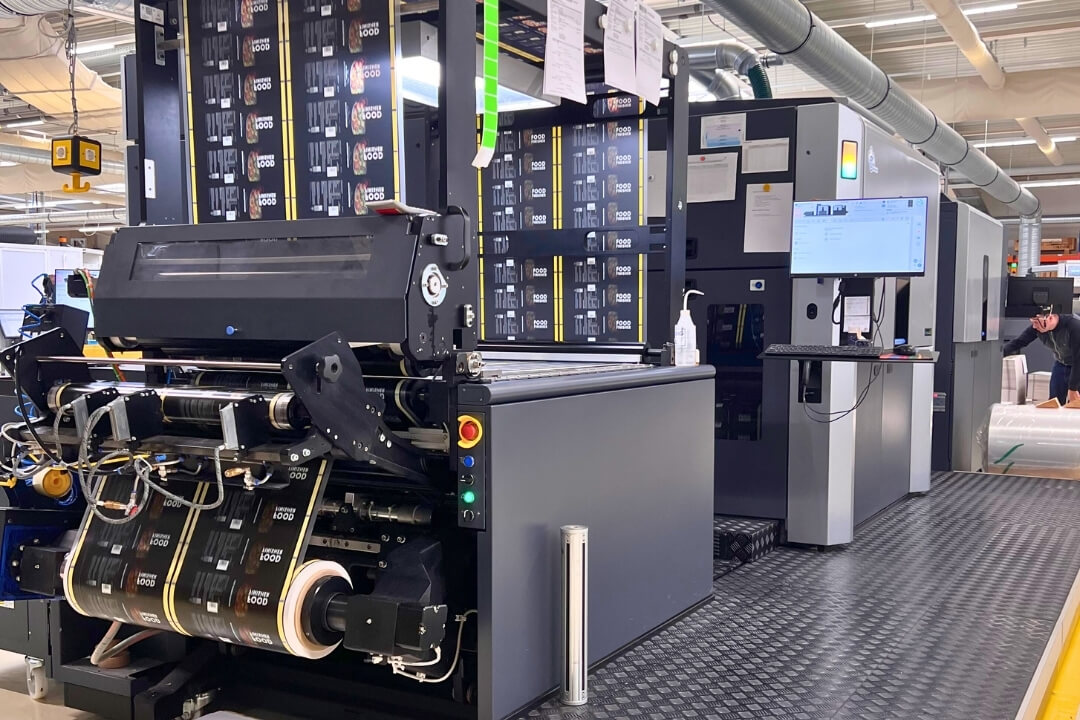
HP Indigo digital printing press

Product protection & print quality

The right barrier properties and high-quality print for every application

In every material decision, product protection, product-specific shelf life and consumer appeal come first. After all, packaging is only truly sustainable when the product is reliably protected. For you, that means no unnecessary compromises between protection, recyclability and brand impact. Depending on the material and functional barrier, our packaging protects against oxygen, moisture, UV radiation and aroma loss – from standard barrier solutions to ultra-high barrier structures. At the same time, we use HP Indigo digital printing for small and medium print runs in premium quality, while high-quality flexographic printing solutions ensure the right print technology for large production volumes.

Premium quality

Our choice of materials

PP mono films
PE mono films
PET/PE films
Paper materials

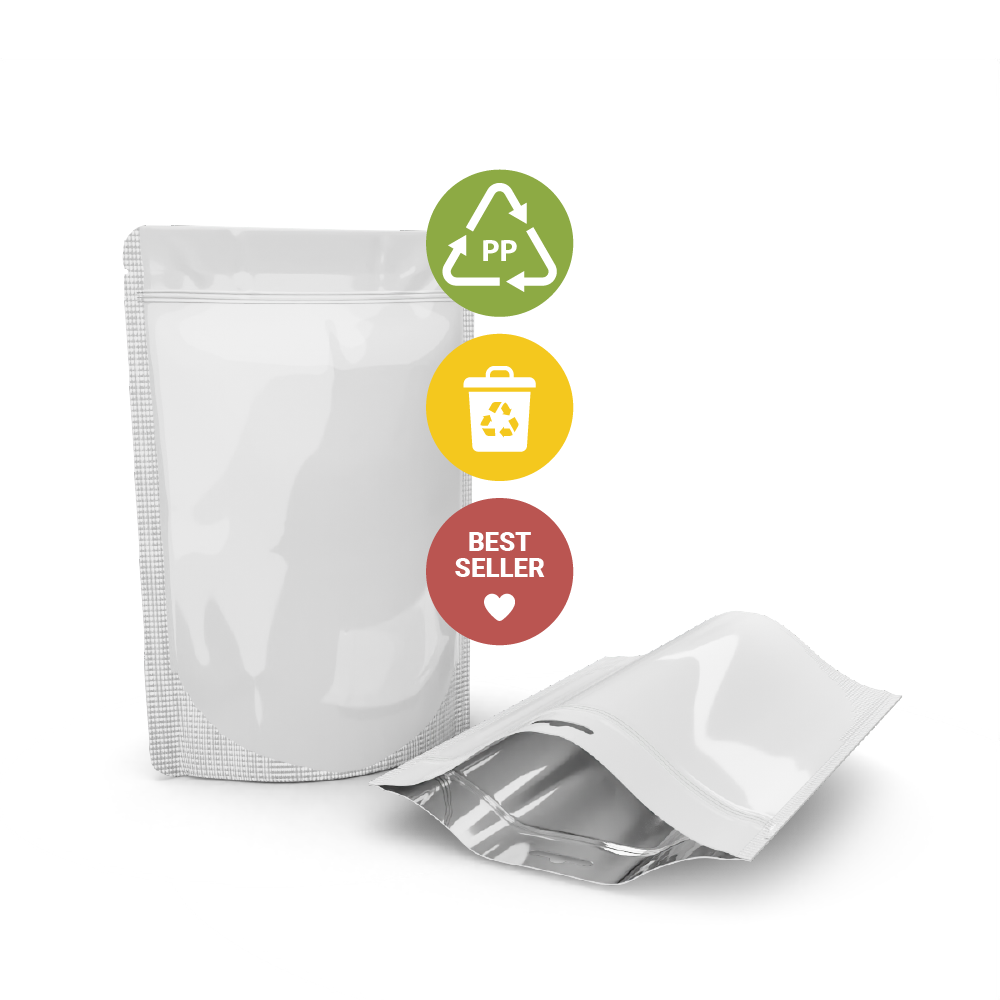
Pearl-white PP mono-material film

Film thickness: 116 & 146 μm

Triplex structure: OPP/OPPmet/CPP T

Pearl-white outside, silver inside

Very high barrier (OTR <0.1 / WVTR <0.1)

Excellent aroma, grease and UV barrier

Optional: white PP film in 98 μm, without barrier

Certified for direct food contact (powders, pastes, liquids)

Designed for recycling – mono-material (PP5)
Pearl-white PP mono-material film

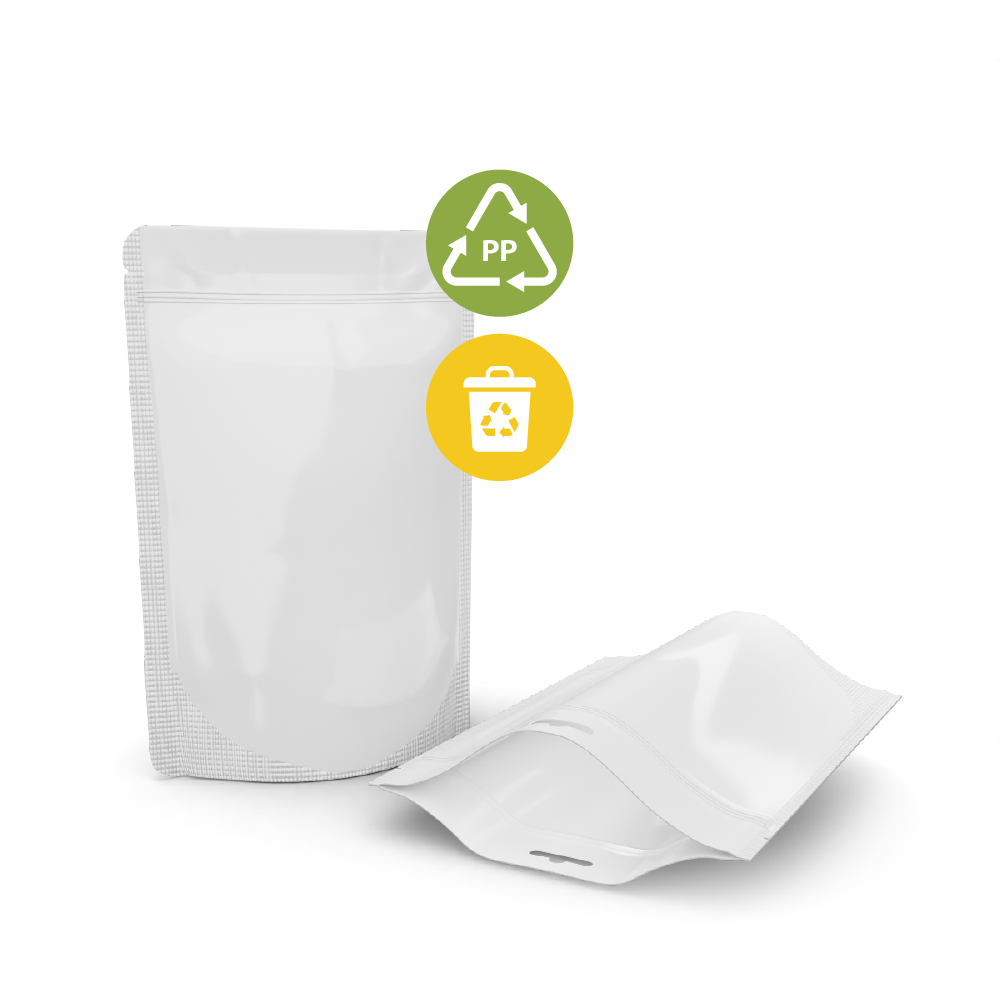
Pearl-white PP mono-material film

Film thickness: 126 μm

Triplex structure: OPP/OPPmet/CPP W

Pearl-white outside, white inside

Very high barrier (OTR <0.1 / WVTR <0.1)

Excellent aroma, grease and UV barrier

Certified for direct food contact (powders, pastes, liquids)

Designed for recycling – mono-material (PP5)
Pearl-white PP mono-material film

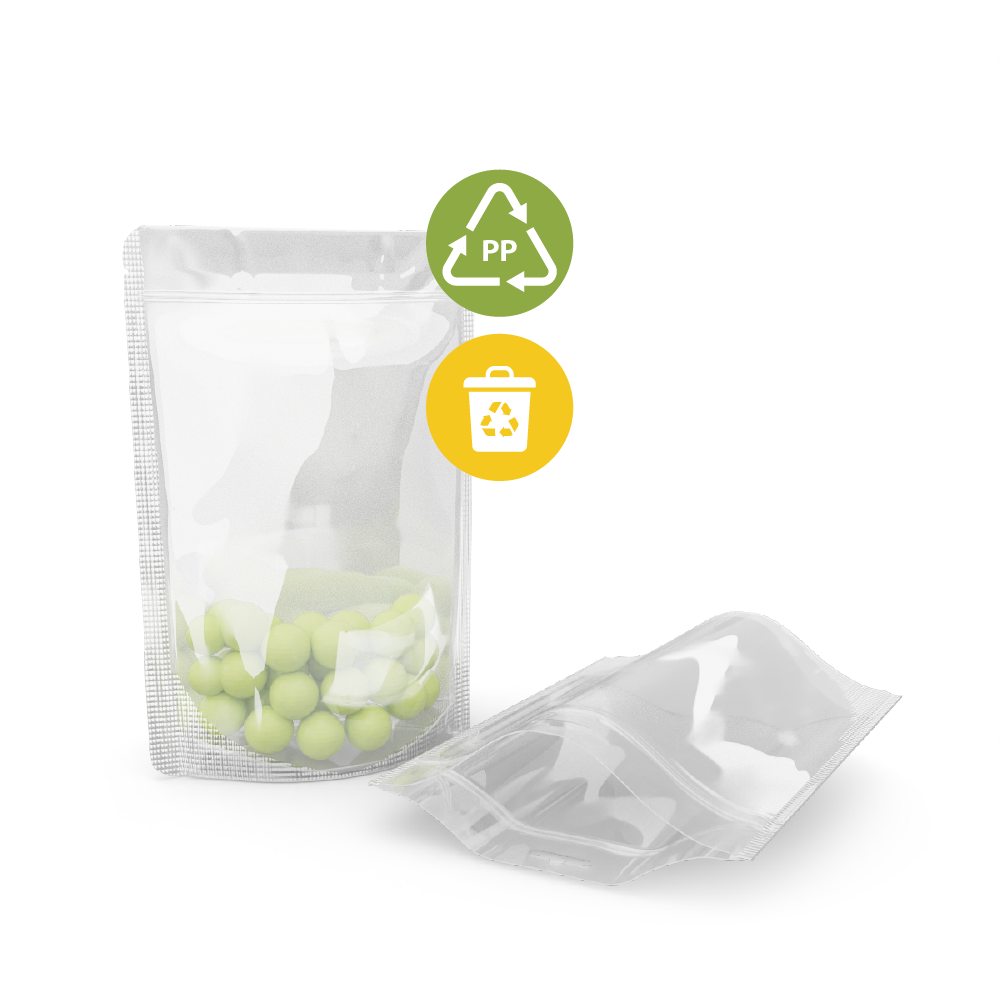
Clear PP mono-material film

Film thickness: 108 & 138 μm

Triplex structure: OPP/OPP/CPP T

Clear (gloss finish recommended)

High barrier (OTR <0.1 / WVTR <0.5–1)

Excellent aroma and grease barrier

Optional: clear PP film in 118 μm, without barrier

Certified for direct food contact (powders, pastes, liquids)

Designed for recycling – mono-material (PP5)
Clear PP mono-material film

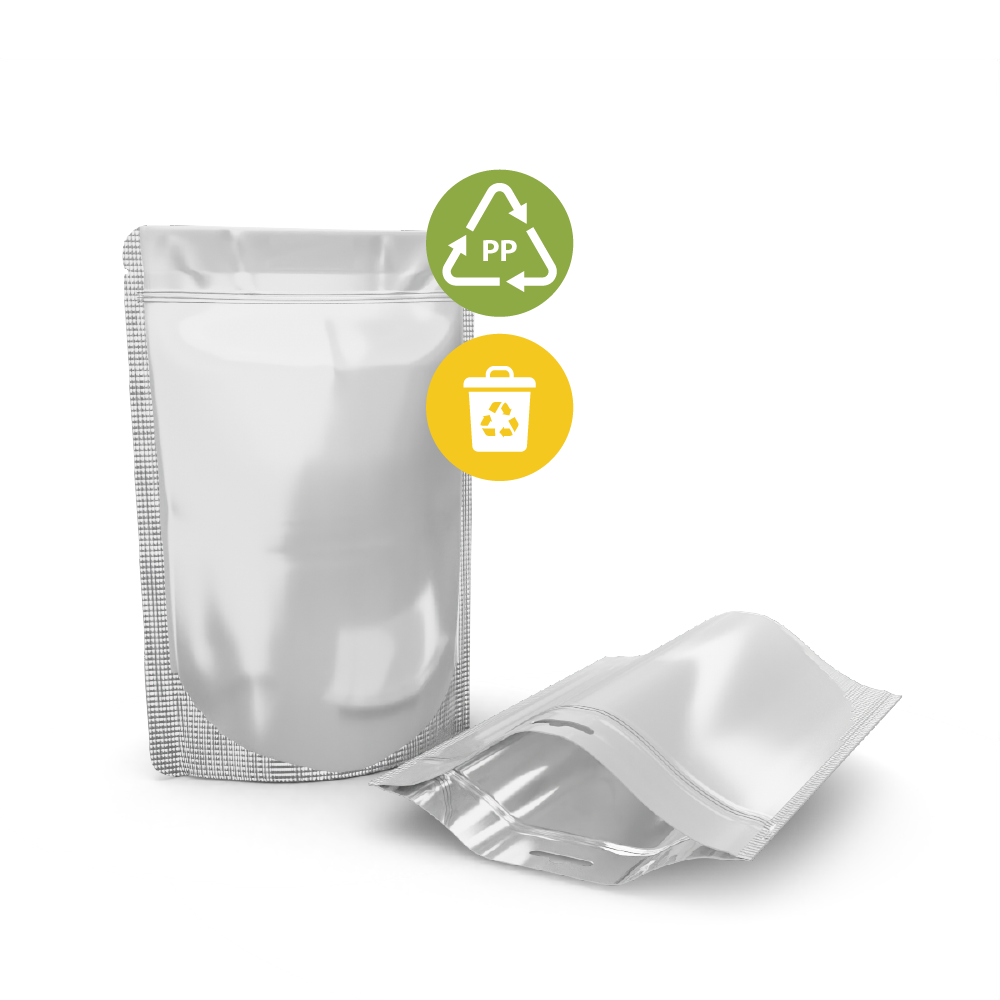
Silver metallised PP mono-material film

Film thickness: 106 & 136 μm

Triplex structure: OPP/OPPmet/CPP T

Silver outside, silver inside

Very high barrier (OTR <0.1 / WVTR <0.1)

Excellent aroma, grease and UV barrier

Certified for direct food contact (powders, pastes, liquids)

Designed for recycling – mono-material (PP5)
Silver metallised PP mono-material film

White PE mono film

95 & 125 µm film thickness

White outside, white inside

High barrier (OTR <1 / WVTR <1)

Excellent aroma barrier

Certified for foodstuffs (powders, pastes, liquids)

Made for recycling – monomaterial (PE)
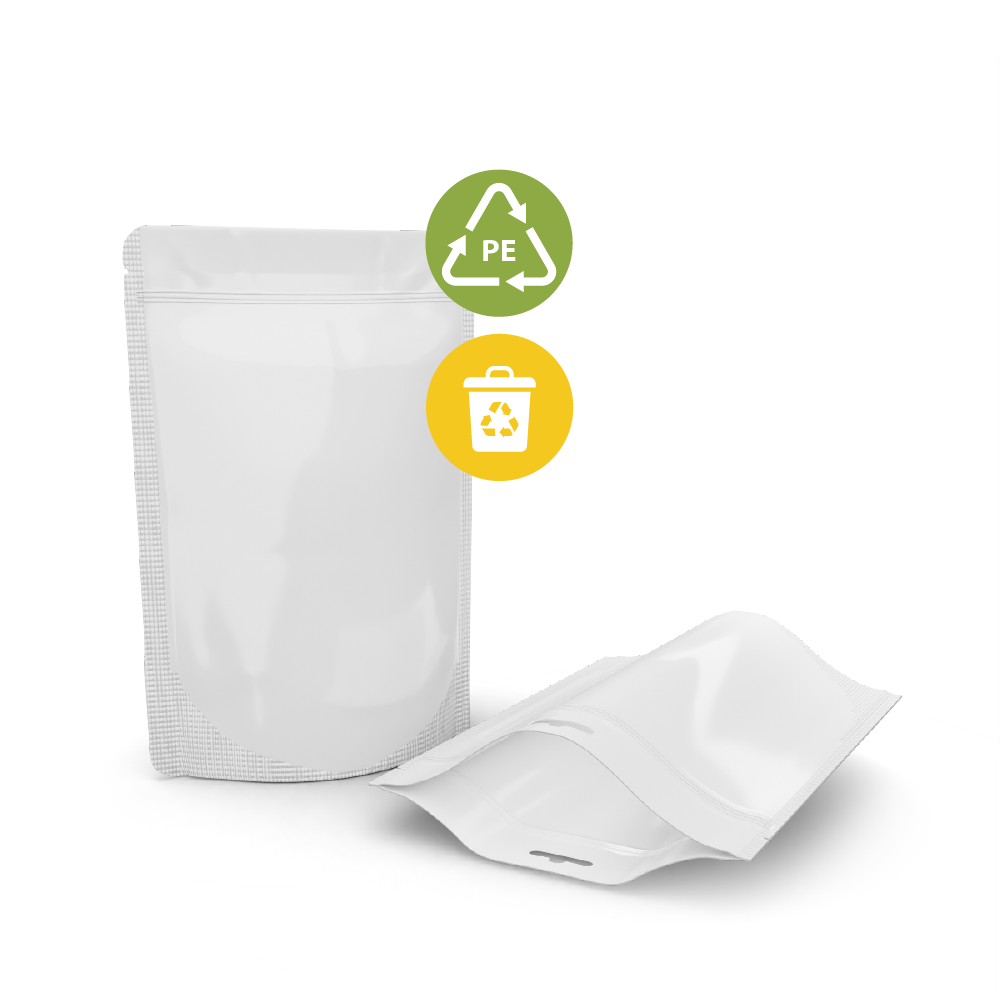
White PE mono film

Transparent PE mono film

95 & 125 µm film thickness

Transparent

High barrier (OTR <1 / WVTR <1)

Excellent aroma barrier

Certified for foodstuffs (powders, pastes, liquids)

Made for recycling – monomaterial (PE)
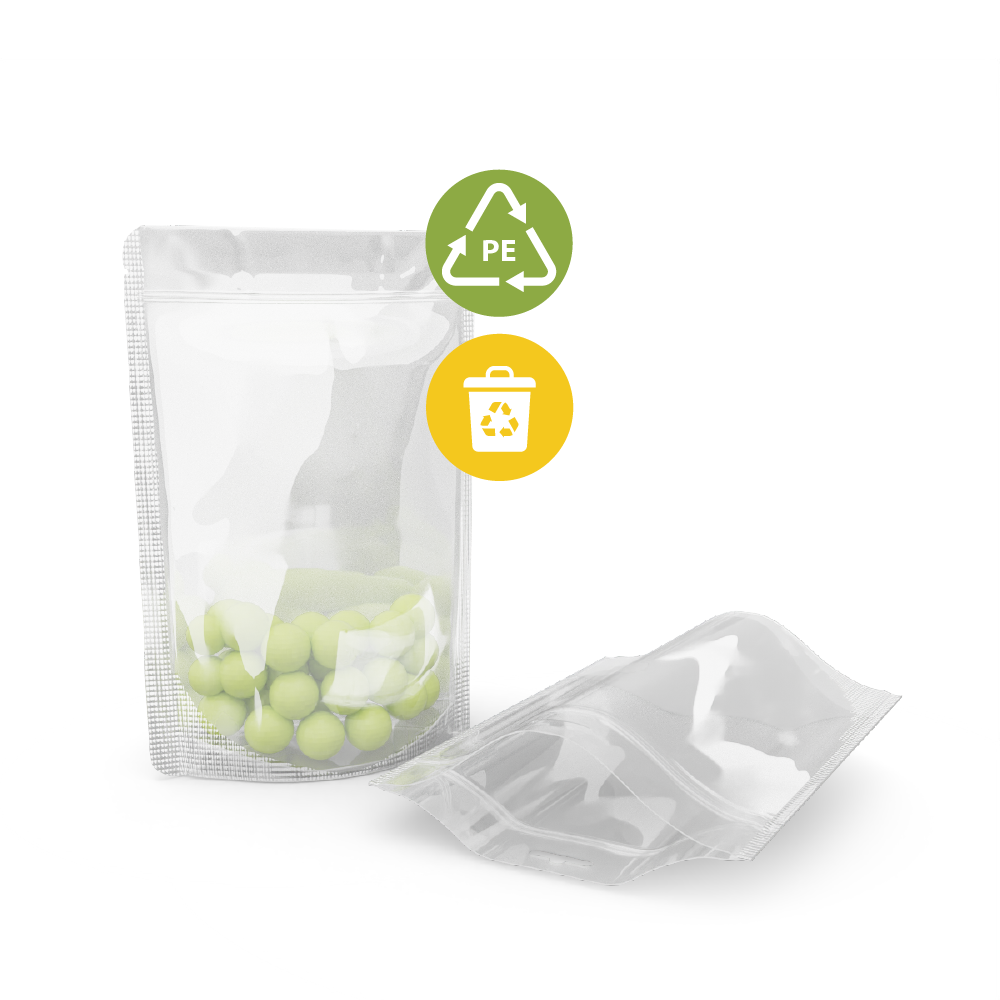
Transparent PE mono film

White PET/PE film

Film thickness: 82 & 112 μm

Duplex structure: PET/PE-EVOH-PE

White outside, white inside

High barrier (OTR ≤1 / WVTR ≤1)

Excellent aroma barrier

Certified for direct food contact (powders, pastes, liquids)
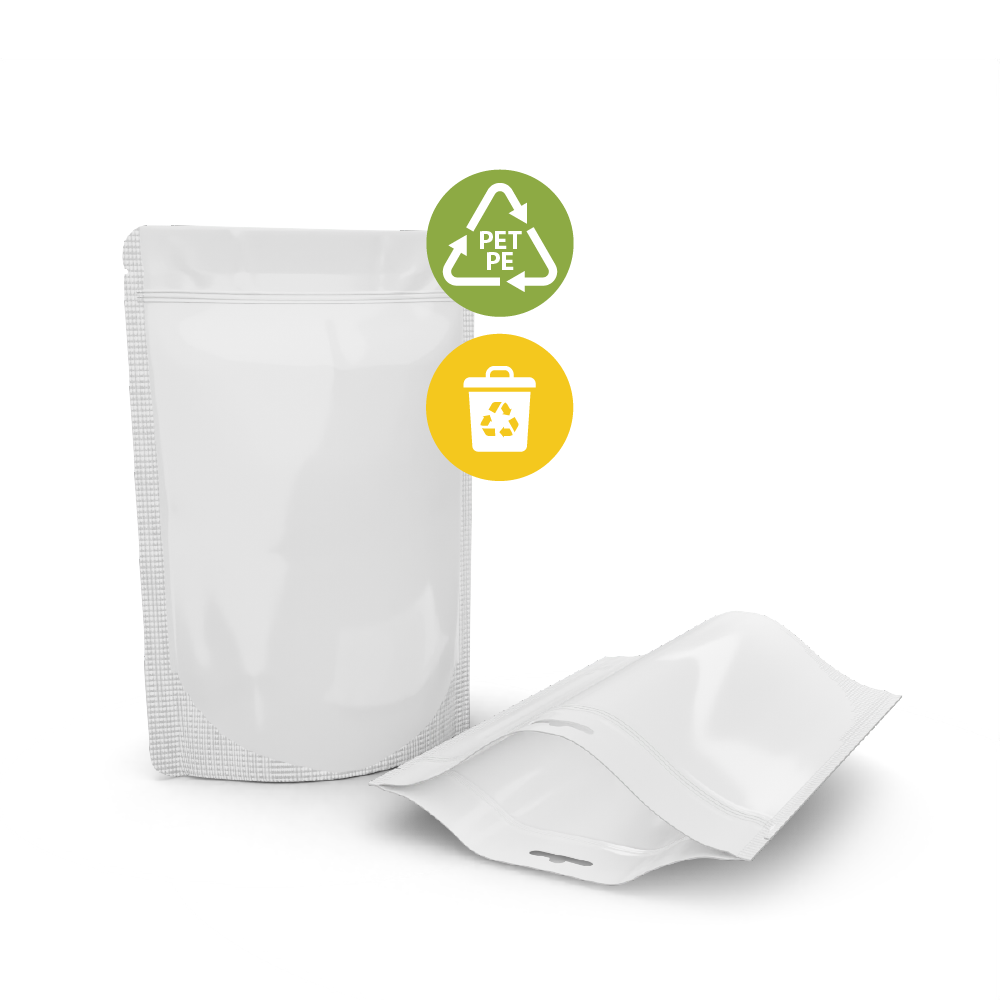
White PET/PE film

Clear PET/PE film

Film thickness: 82 & 112 μm

Duplex structure: PET/PE-EVOH-PE

Clear (gloss finish recommended)

High barrier (OTR ≤1 / WVTR ≤1)

Excellent aroma barrier

Certified for direct food contact (powders, pastes, liquids)
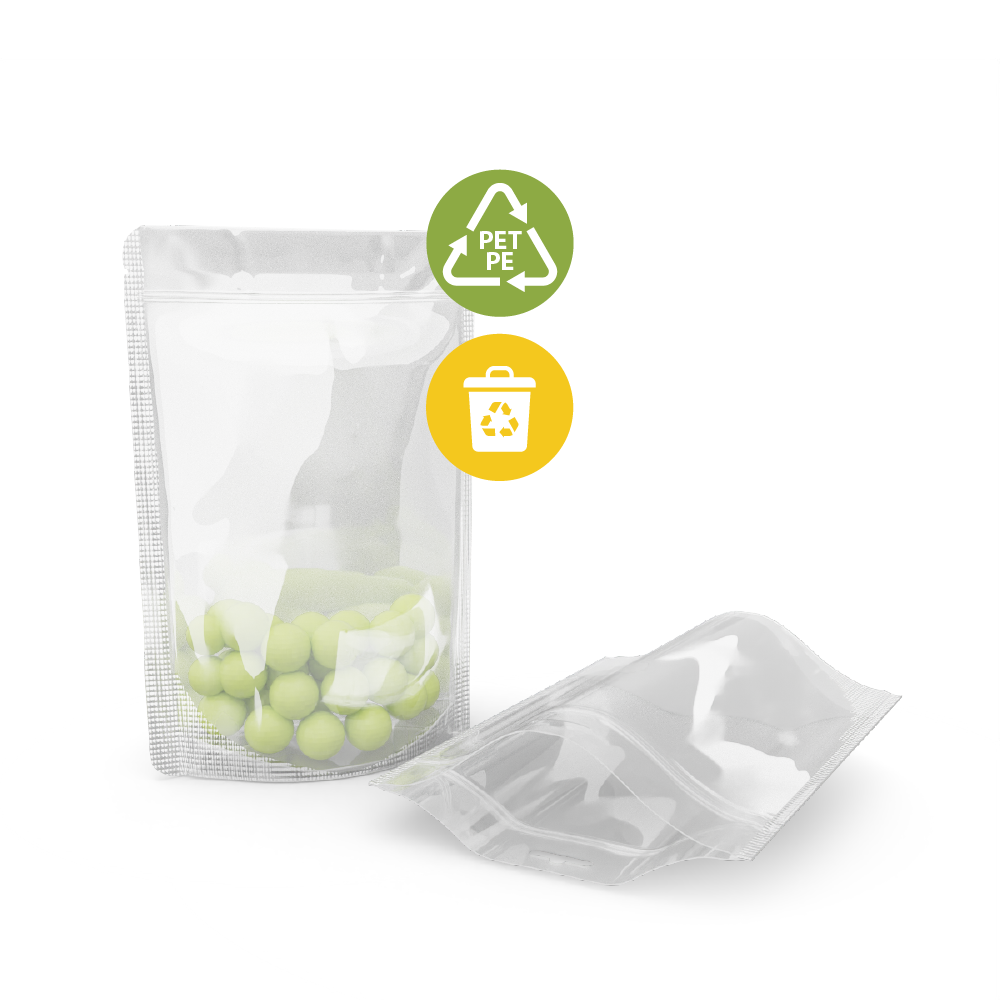
Clear PET/PE film

Silver metallised PET/PE film

Film thickness: 124 μm

Triplex structure: PET/PETmet/PE

Silver outside, silver inside

Very high barrier (OTR ≤0.1 / WVTR ≤0.1)

Excellent aroma barrier

Certified for direct food contact (powders, pastes, liquids)
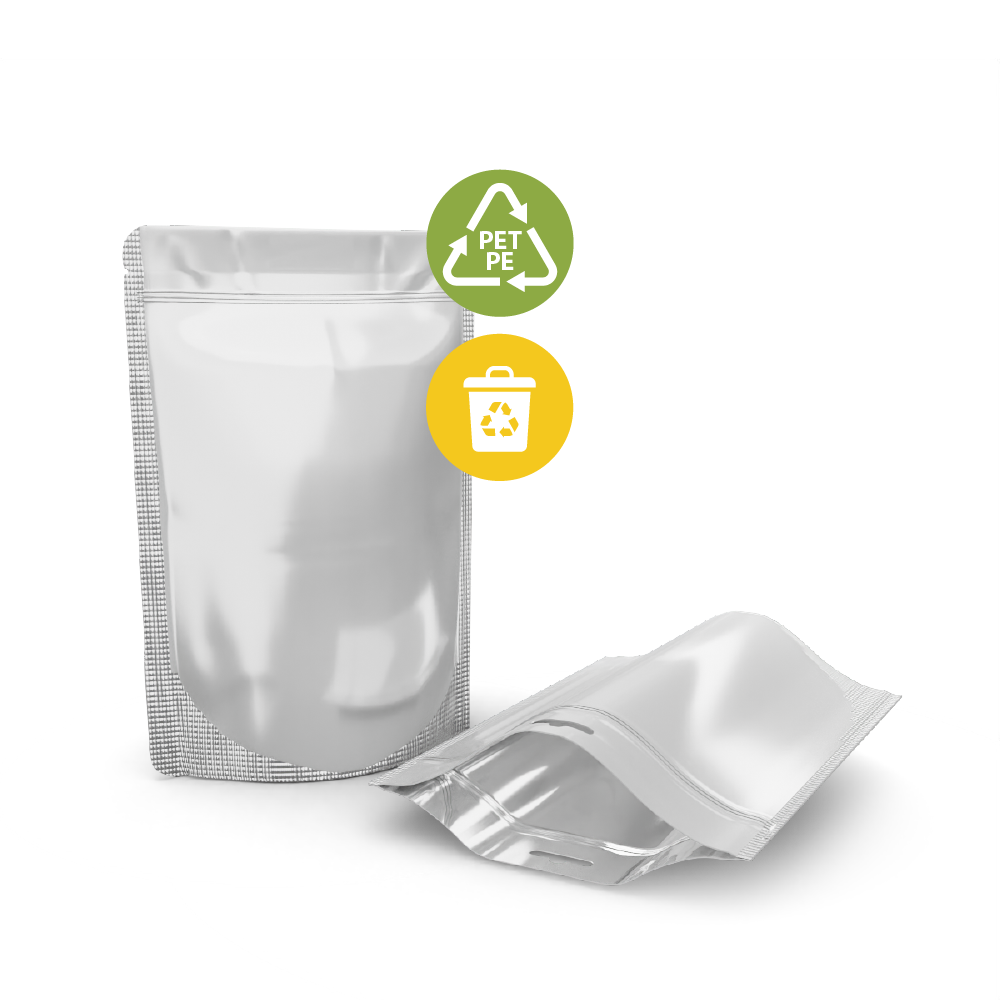
Silver metallised PET/PE film

White PET/ALU/PE film

Film thickness: 111 μm

Triplex structure: PET/ALU/PE

White outside, silver inside

Very high barrier (OTR ≤0.1 / WVTR ≤0.1)

Excellent aroma barrier

Certified for direct food contact (powders, pastes, liquids)
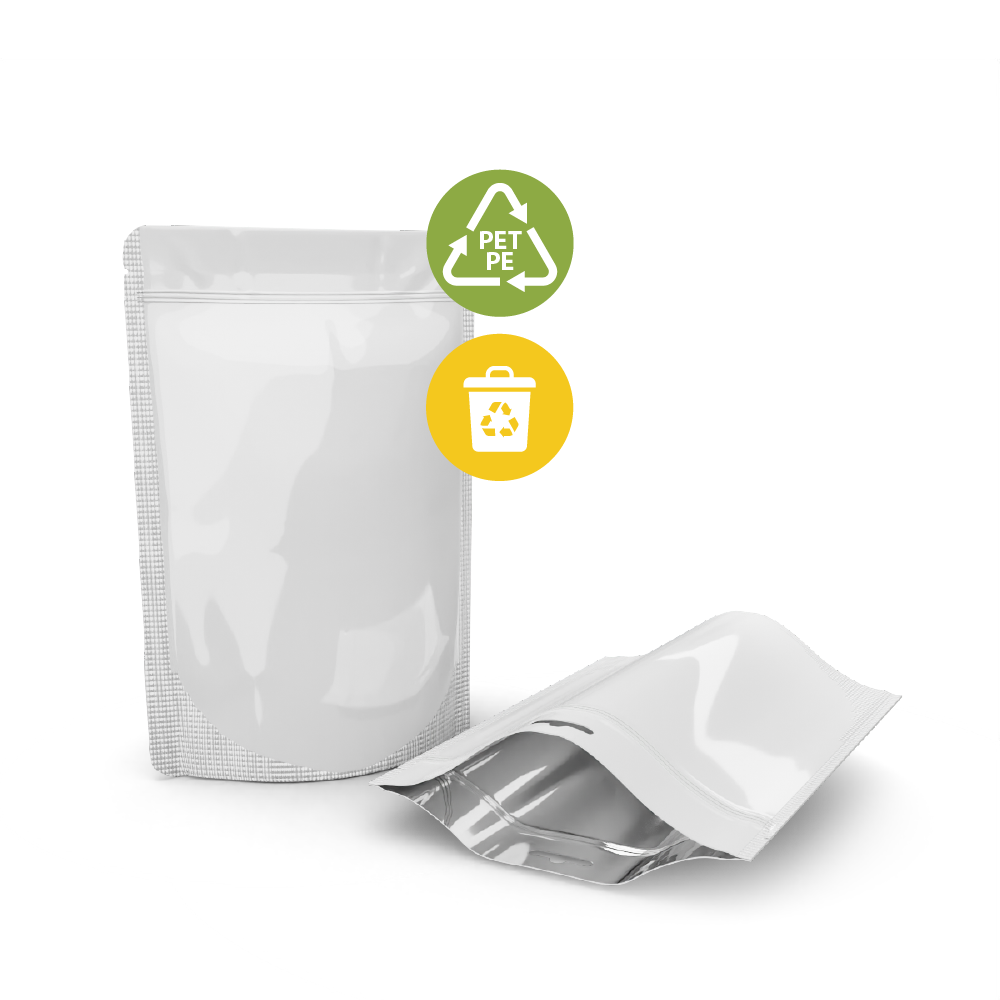
White PET/ALU/PE film

Brown natural paper + PE

Material thickness: 120 μm

Duplex structure: PAP brown / PE-EVOH-PE

Brown outside, brown inside

High barrier (OTR ≤1 / WVTR ≤1)

Excellent aroma barrier

Certified for direct food contact (powders, pastes, liquids)
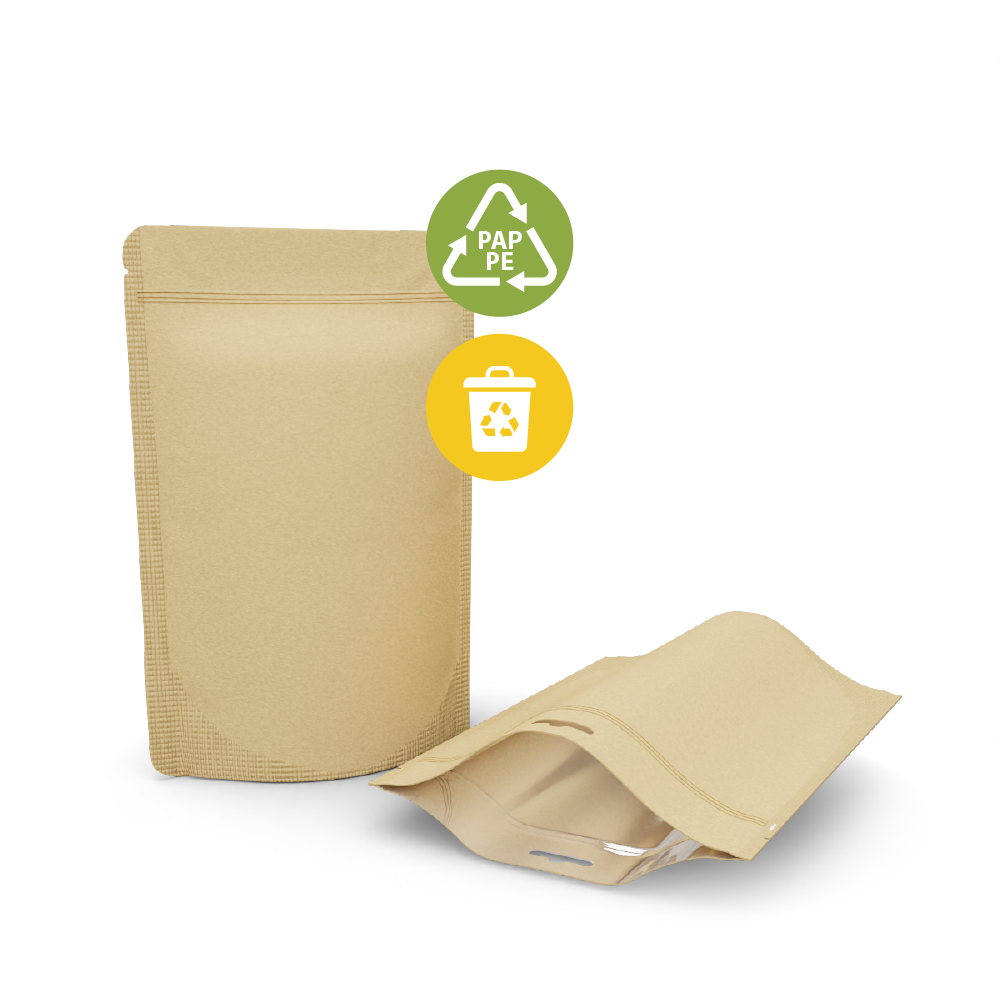
Brown natural paper + PE

White natural paper + PE

Material thickness: 120 μm

Duplex structure: PAP white / PE-EVOH-PE

White outside, white inside

High barrier (OTR ≤1 / WVTR ≤1)

Excellent aroma barrier

Certified for direct food contact (powders, pastes, liquids)
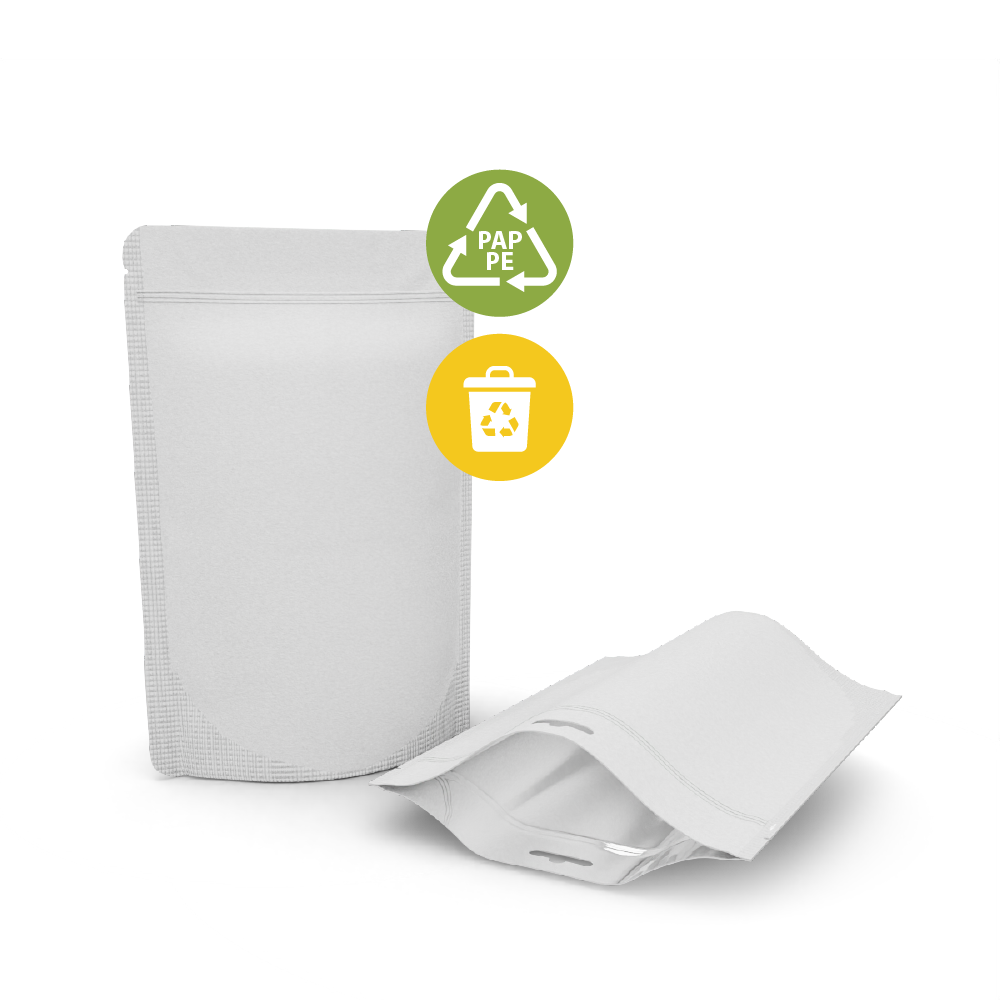
White natural paper + PE

White paper, plastic-free

Paper thickness: 65 μm

White outside, white inside

No barrier

Certified for direct food contact

Designed for recycling (PAP22)
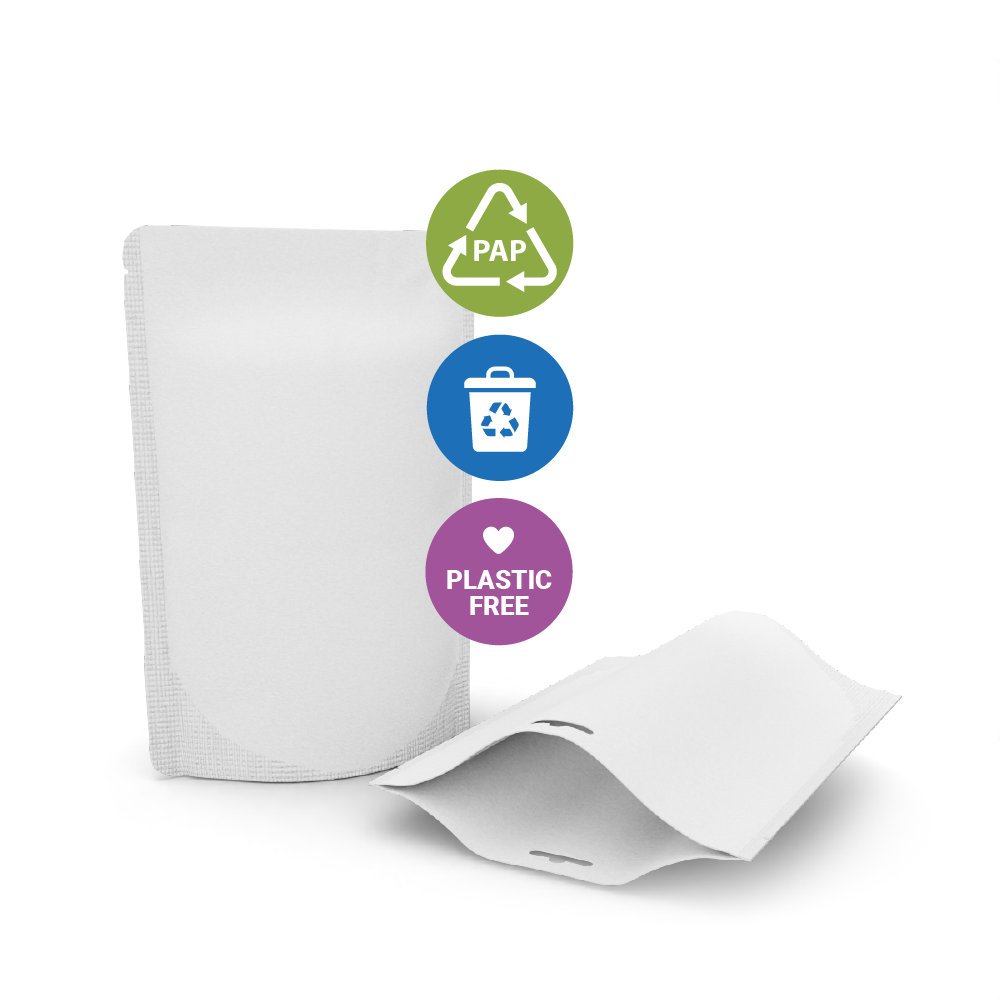
White paper, plastic-free

White paper, plastic-free, with barrier

Paper thickness: 75 μm

White outside, white inside

Medium barrier (OTR ≤5 / WVTR ≤20)

Certified for direct food contact

Designed for recycling (PAP22)

White paper, plastic-free, with barrier
Many of our materials are available in two film thicknesses. The most suitable option depends on both the pouch size and the actual fill weight. As volume and weight are not directly linked, both factors should be considered when selecting the material. We will be happy to advise you on the right film thickness, and our sample boxes can also help you assess the material appearance, surface feel and stability in advance.

Barrier performance, application & appearance

The right materials for every application

Window panel

For window panels, we recommend transparent films from our range. With four-colour process printing (CMYK) plus white, transparent and opaque areas can be combined precisely.

Moisture barrier

For moisture-sensitive or hygroscopic products such as powders, cereals, dried fruit or spices, our PP and PE mono-materials with EVOH or metallisation provide reliable protection.

Oxygen barrier

For oxygen-sensitive products such as coffee, nuts, dried meat or oxidation-sensitive powders, our PP and PE mono-materials with EVOH or metallisation provide maximum aroma protection and extended shelf life.

UV/Lichtbarriere

For light-sensitive products such as supplements, vitamins or sensitive ingredients, we recommend our metallised PP mono-materials. They provide a particularly high level of protection against light and UV radiation.

Aroma barrier

For aromatic or odour-intensive products such as coffee, spices or cannabis flowers, our PP mono-materials with metallisation or an EVOH barrier provide reliable aroma protection – both inside and out.

Frozen applications

For frozen applications, we primarily recommend our PET/PE or mono-PE materials due to their favourable polymer properties. They are particularly suitable for products that need to be packaged reliably even at low temperatures.

Recyclability

For recyclable packaging solutions, we recommend our innovative PP and PE mono-materials. They are a modern alternative to conventional laminate structures, combining recyclability with reliable product protection.

Appearance & tactile feel

Our films are available in matt or gloss finishes – matt for modern, premium-looking packaging, and gloss for highly transparent window areas. For a distinctive tactile finish, we also offer Soft-Touch with a velvety surface and Paper-Touch with a paper-like look and feel.

Plastic or paper?

In many applications, plastic films provide the barrier properties and stability required. We primarily recommend paper-based materials for lightweight products where no barrier, or only a medium barrier, is needed.

Lasse Harder Berater FlexPack

Lasse Harder
CEO & FlexPack-Specialist

Materials you can rely on

Design, tactile feel and perceived quality determine whether your product stands out on the shelf or goes unnoticed. Thanks to many years of experience across a wide range of product categories and close collaboration with leading brands and contract packers, we have developed a deep understanding of which pouch material best protects your product, runs reliably on your filling line and showcases your brand to best effect.

That is why we go one decisive step further: we develop and manufacture our laminate structures entirely in-house. This allows us to tailor barrier properties, film thicknesses and surface finishes precisely to your product, your application and your filling process – whether proven PET/PE laminates or forward-looking mono-materials made from PE and PP. The result: stand-up pouches in which every layer serves a purpose and is matched to your specific requirements.

Tel.: +49 (0) 751 951 440 0

Inspiration from practice

Materials, finishes & customer examples
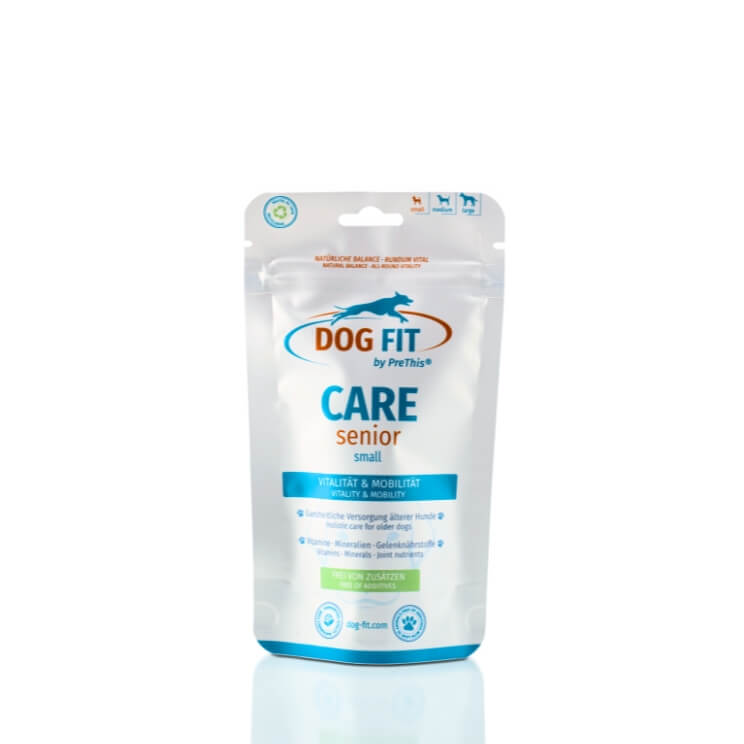
PP film, pearl white, matt
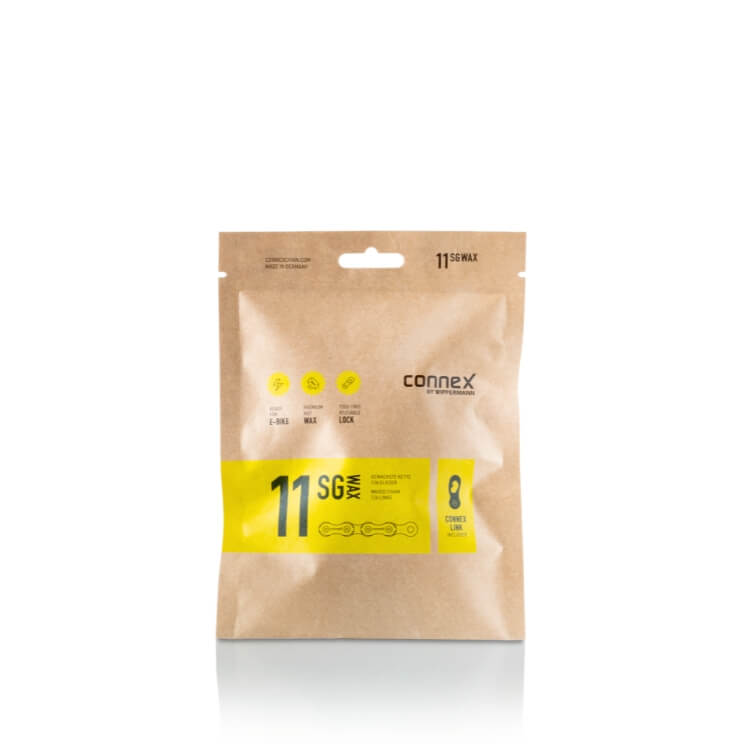
Flachbeutel Naturpapier braun + PE

Brown natural paper + PE

PP film, pearl white, gloss
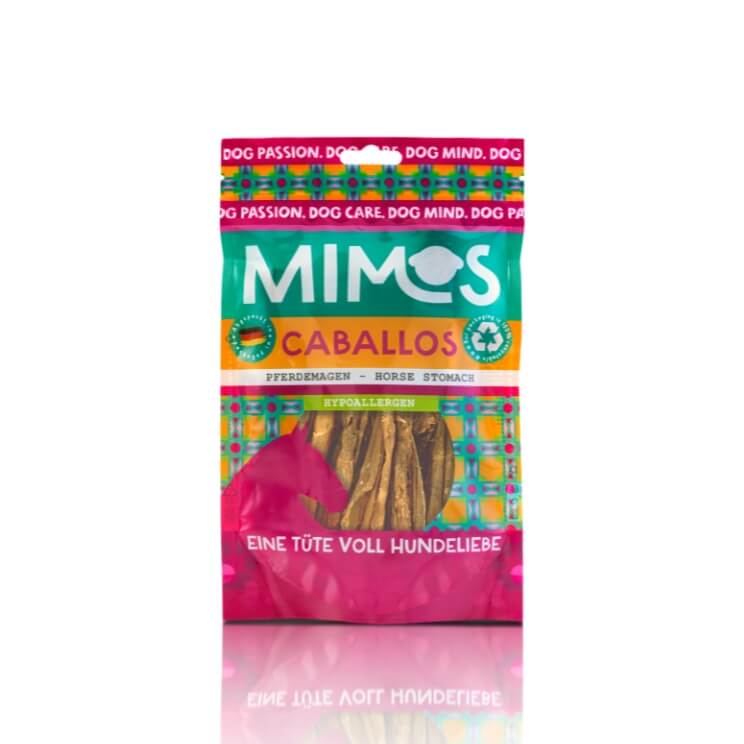
PE film, transparent, gloss
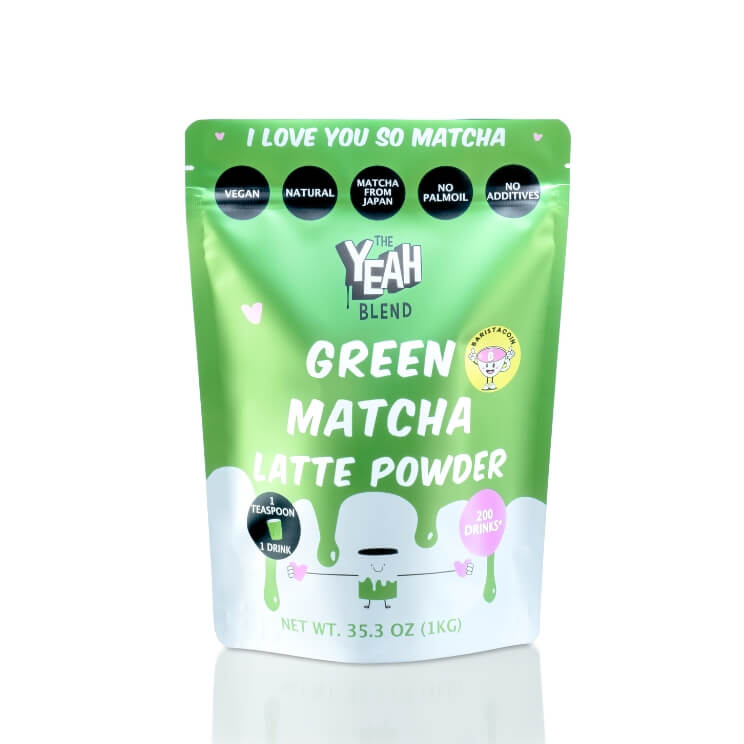
Standbodenbeutel PP Folie Perlweiß matt

PP film, pearl white, matt

Standbodenbeutel PE Folie weiß matt

PE film, white, matt

Flachbeutel PP-Folie perlweiß, matte Oberfläche

PP film, pearl white, matt

Flachbeutel Naturpapier braun mit PE-Folie

Brown natural paper + PE

Doypack PP-Folie perlweiß, matte Oberfläche

PP film, pearl white, matt

Doypack Naturpapier weiß mit PE-Folie

White natural paper + PE

Standbodenbeutel PP-Folie perlweiß, Oberfläche glänzend

PP film, pearl white, gloss

PP film, pearl white, matt

FAQ

Frequently asked questions about our materials

How can I create a custom window for my pouch?
What foods can I put in the pouches?
What pouch materials are offered and what barrier do they provide?
How do I close / seal my bags?

Good to know

Our FlexPack guide

Materials for flexible packaging

AlOx - aluminium oxide

The abbreviation AlOx stands for aluminium oxide and describes an ultra-thin, high-barrier inorganic coating that is usually applied to PET and BOPP films using a vacuum process. AlOx barriers are applied to the carrier film with a thickness in the nanometre range and are transparent.
Read more

Aluminium

Aluminium (ALU) is used in packaging film as a thin functional layer when particularly high levels of protection are required. Aluminium barriers provide the ultimate protection against oxygen, water vapour and light. The most common application is as a middle layer in PET/ALU/PE composite materials; which protects the sensitive aluminium and at the same time enables the best processing properties.
Read more

Barrier films

A barrier film is a barrier layer integrated into the packaging that protects food, cosmetic products or industrial goods from external influences such as oxygen, water vapour, UV radiation or even mineral oils.
Read more

Film thickness

The film thickness, also known as film thickness, is measured in micrometres (µm) and, depending on the application, is a decisive factor for film stability, product protection and printing and finishing options. Films are used in various areas such as logistics, packaging production and construction. Depending on the application, films have special properties such as:
Read more

Monomaterial

In the context of flexible packaging, a monomaterial refers to a material that is primarily made from one type of plastic – typically PE or PP-based. As a common rule of thumb for design for recycling, a structure is considered ‘mono’ if at least 90% of its total weight consists of the target polymer. The remaining portion may consist of printing inks, adhesives or thin functional layers such as barrier films – provided these do not interfere with the recycling process.
Read more

EVOH

The abbreviation EVOH stands for ethylene vinyl alcohol copolymer. In flexible packaging, EVOH is used as a thin, organic barrier layer to protect products primarily from oxygen (and thus oxidation and aroma loss). In packaging films, EVOH is usually transparent and is therefore suitable for clear high-barrier packaging.
Read more

Metallisation

Metallisation refers to aluminium-metallised barriers that are applied to a carrier film (e.g. BOPP or PET) in nanometre-thin layers using vacuum coating (PVD). This process enables very high oxygen, water vapour and light barriers to be achieved with minimal material usage.
Read more

PET - polyester

Polyethylene terephthalate (PET) is a dimensionally stable, highly printable type of plastic that is primarily used as a printing and outer film in flexible packaging. Its excellent thermal stability in particular enables high mechanical loads and ensures dimensionally stable repeats over long print jobs.
Read more

PE - polyethylene

Like PP, polyethylene (PE) belongs to the polyolefin group and is one of the most popular packaging materials due to its properties. Polyethylene is considered tough, stable and easy to weld. It is therefore mainly used as an internal sealing medium for various flexible packaging such as bags, flow packs and sachets. In modern mono-material structures, PE in the form of MDO-PE is also used as a PET substitute for printing films. So-called coex films are often used for flexible packaging such as stand-up pouches – in this process, EVOH barriers, for example, are already incorporated (extruded) into the PE film during film production.
Read more
Manufacture of flexible packaging

AlOx - aluminium oxide

The abbreviation AlOx stands for aluminium oxide and describes an ultra-thin, high-barrier inorganic coating that is usually applied to PET and BOPP films using a vacuum process. AlOx barriers are applied to the carrier film with a thickness in the nanometre range and are transparent.
Read more

Aluminium

Aluminium (ALU) is used in packaging film as a thin functional layer when particularly high levels of protection are required. Aluminium barriers provide the ultimate protection against oxygen, water vapour and light. The most common application is as a middle layer in PET/ALU/PE composite materials; which protects the sensitive aluminium and at the same time enables the best processing properties.
Read more

Barrier films

A barrier film is a barrier layer integrated into the packaging that protects food, cosmetic products or industrial goods from external influences such as oxygen, water vapour, UV radiation or even mineral oils.
Read more

Film thickness

The film thickness, also known as film thickness, is measured in micrometres (µm) and, depending on the application, is a decisive factor for film stability, product protection and printing and finishing options. Films are used in various areas such as logistics, packaging production and construction. Depending on the application, films have special properties such as:
Read more

Monomaterial

In the context of flexible packaging, a monomaterial refers to a material that is primarily made from one type of plastic – typically PE or PP-based. As a common rule of thumb for design for recycling, a structure is considered ‘mono’ if at least 90% of its total weight consists of the target polymer. The remaining portion may consist of printing inks, adhesives or thin functional layers such as barrier films – provided these do not interfere with the recycling process.
Read more

EVOH

The abbreviation EVOH stands for ethylene vinyl alcohol copolymer. In flexible packaging, EVOH is used as a thin, organic barrier layer to protect products primarily from oxygen (and thus oxidation and aroma loss). In packaging films, EVOH is usually transparent and is therefore suitable for clear high-barrier packaging.
Read more

Metallisation

Metallisation refers to aluminium-metallised barriers that are applied to a carrier film (e.g. BOPP or PET) in nanometre-thin layers using vacuum coating (PVD). This process enables very high oxygen, water vapour and light barriers to be achieved with minimal material usage.
Read more

PET - polyester

Polyethylene terephthalate (PET) is a dimensionally stable, highly printable type of plastic that is primarily used as a printing and outer film in flexible packaging. Its excellent thermal stability in particular enables high mechanical loads and ensures dimensionally stable repeats over long print jobs.
Read more

PE - polyethylene

Like PP, polyethylene (PE) belongs to the polyolefin group and is one of the most popular packaging materials due to its properties. Polyethylene is considered tough, stable and easy to weld. It is therefore mainly used as an internal sealing medium for various flexible packaging such as bags, flow packs and sachets. In modern mono-material structures, PE in the form of MDO-PE is also used as a PET substitute for printing films. So-called coex films are often used for flexible packaging such as stand-up pouches – in this process, EVOH barriers, for example, are already incorporated (extruded) into the PE film during film production.
Read more
Go to adviser

AlOx - aluminium oxide

The abbreviation AlOx stands for aluminium oxide and describes an ultra-thin, high-barrier inorganic coating that is usually applied to PET and BOPP films using a vacuum process. AlOx barriers are applied to the carrier film with a thickness in the nanometre range and are transparent.
Read more

Aluminium

Aluminium (ALU) is used in packaging film as a thin functional layer when particularly high levels of protection are required. Aluminium barriers provide the ultimate protection against oxygen, water vapour and light. The most common application is as a middle layer in PET/ALU/PE composite materials; which protects the sensitive aluminium and at the same time enables the best processing properties.
Read more

Barrier films

A barrier film is a barrier layer integrated into the packaging that protects food, cosmetic products or industrial goods from external influences such as oxygen, water vapour, UV radiation or even mineral oils.
Read more

Film thickness

The film thickness, also known as film thickness, is measured in micrometres (µm) and, depending on the application, is a decisive factor for film stability, product protection and printing and finishing options. Films are used in various areas such as logistics, packaging production and construction. Depending on the application, films have special properties such as:
Read more

Monomaterial

In the context of flexible packaging, a monomaterial refers to a material that is primarily made from one type of plastic – typically PE or PP-based. As a common rule of thumb for design for recycling, a structure is considered ‘mono’ if at least 90% of its total weight consists of the target polymer. The remaining portion may consist of printing inks, adhesives or thin functional layers such as barrier films – provided these do not interfere with the recycling process.
Read more

EVOH

The abbreviation EVOH stands for ethylene vinyl alcohol copolymer. In flexible packaging, EVOH is used as a thin, organic barrier layer to protect products primarily from oxygen (and thus oxidation and aroma loss). In packaging films, EVOH is usually transparent and is therefore suitable for clear high-barrier packaging.
Read more

Metallisation

Metallisation refers to aluminium-metallised barriers that are applied to a carrier film (e.g. BOPP or PET) in nanometre-thin layers using vacuum coating (PVD). This process enables very high oxygen, water vapour and light barriers to be achieved with minimal material usage.
Read more

PET - polyester

Polyethylene terephthalate (PET) is a dimensionally stable, highly printable type of plastic that is primarily used as a printing and outer film in flexible packaging. Its excellent thermal stability in particular enables high mechanical loads and ensures dimensionally stable repeats over long print jobs.
Read more

PE - polyethylene

Like PP, polyethylene (PE) belongs to the polyolefin group and is one of the most popular packaging materials due to its properties. Polyethylene is considered tough, stable and easy to weld. It is therefore mainly used as an internal sealing medium for various flexible packaging such as bags, flow packs and sachets. In modern mono-material structures, PE in the form of MDO-PE is also used as a PET substitute for printing films. So-called coex films are often used for flexible packaging such as stand-up pouches – in this process, EVOH barriers, for example, are already incorporated (extruded) into the PE film during film production.
Read more

Contact us

Your enquiry for bespoke stand-up pouches
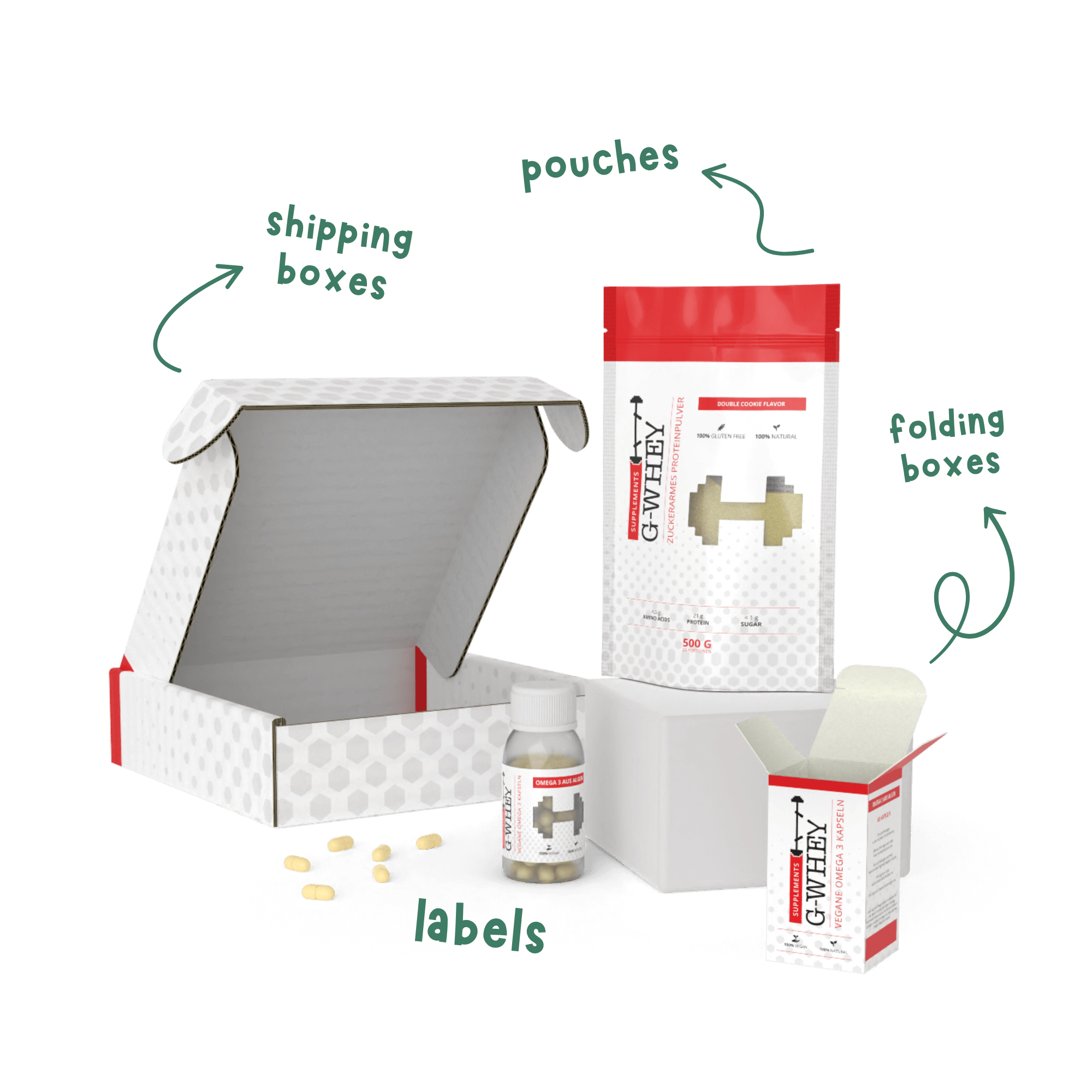
Packaging enquiry

Tell us about your project:

What product would you like to package? What are your requirements in terms of material, barrier performance and design?
Together, we will find the right solution from our range – tailored to your product, your filling process and your brand.
We will get back to you as soon as possible.