5 Stars
Made in Germany
Free Delivery
5 Stars



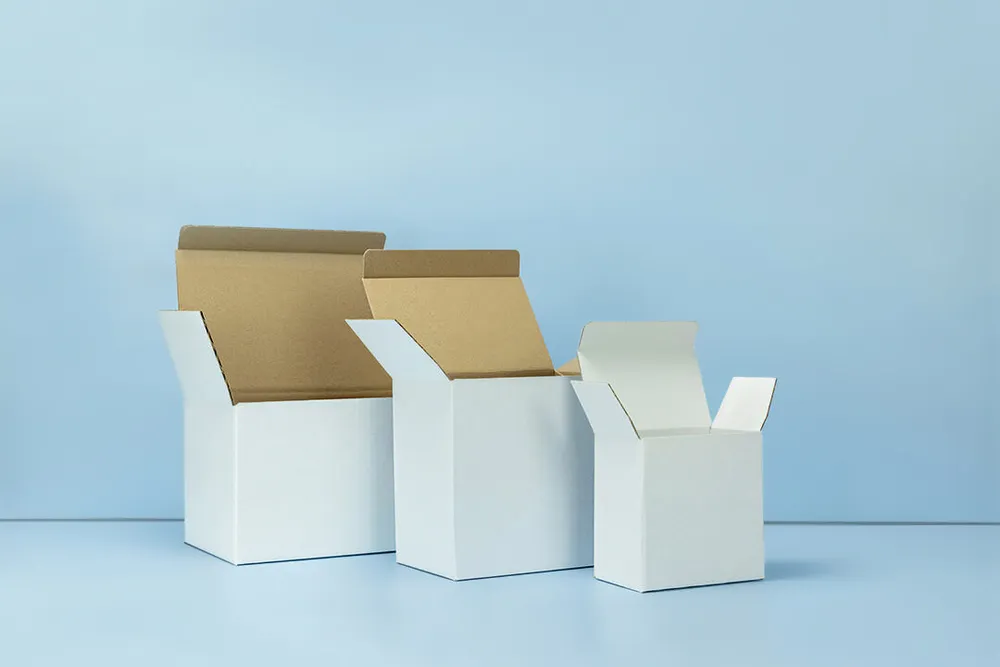
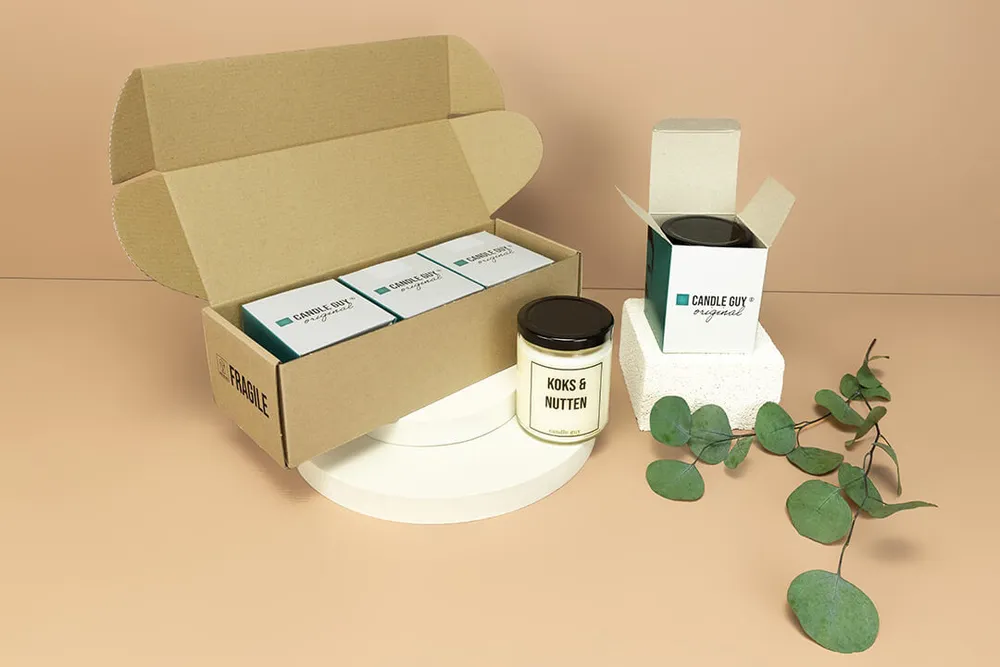
Whether folding cartons, hinged-lid boxes or inserts, the FEFCO catalogue includes all common packaging types used in the cartonboard and corrugated board industry. Many of these product and shipping packaging solutions are, of course, part of the Packaging Warehouse range.
The FEFCO standards are by no means the only standards our cartons and boxes meet. By using high-quality materials and processes, we ensure that our packaging meets even the highest quality expectations of our customers.
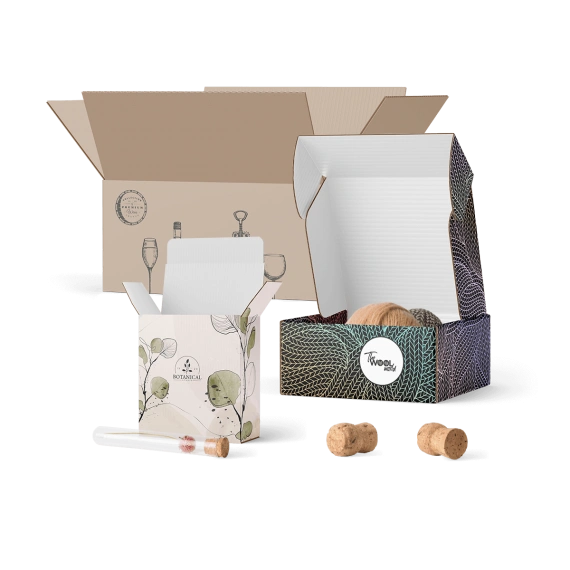

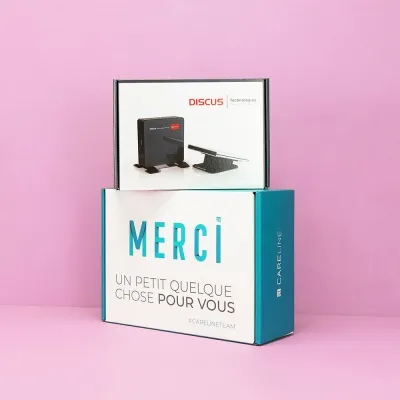
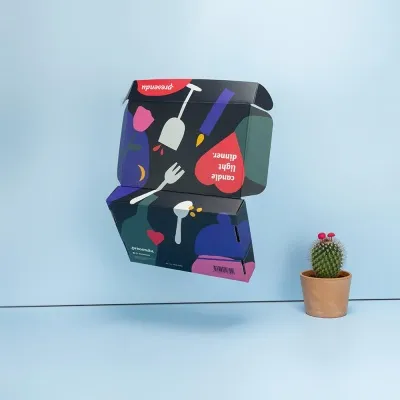
FEFCO cartons & boxes directly FROM THE MANUFACTURER
Our packaging
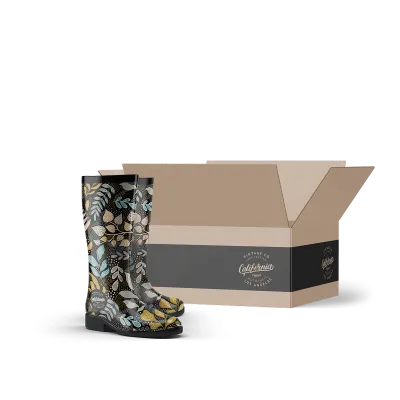
Shipping cartons for safe transport.
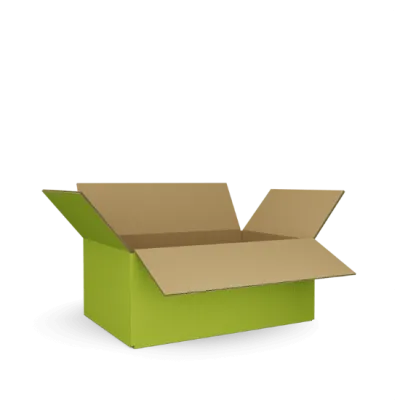
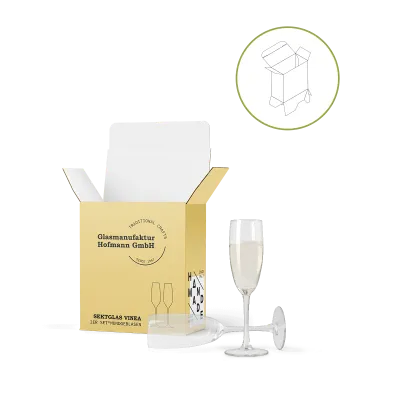
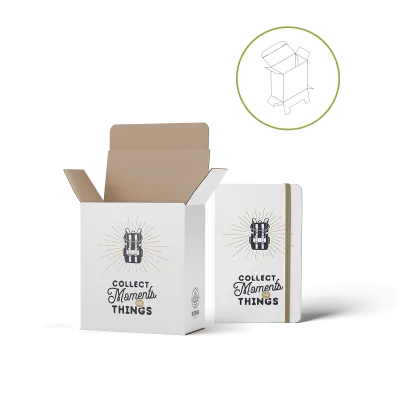
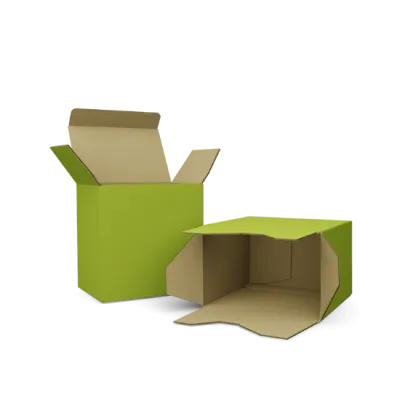
Folding box in your desired format
.png "Folding box with hinged lid")
Cardboard Boxes for safe transport
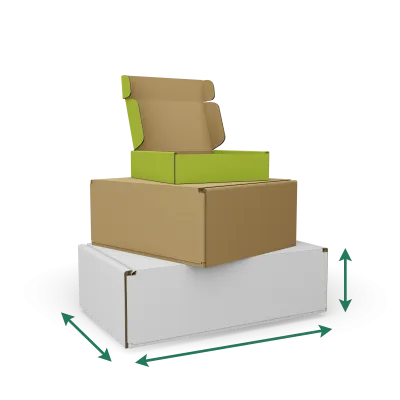
Customised folding box made of corrugated cardboard






CONTACT US


Goods often travel long distances from the production facility to the consumer's hands, often making stops at warehouses of retailers and others. To ensure that the goods do not come to harm in the process and resist possible hazards such as impact, dirt and moisture, high-quality packaging is essential.
Cardboard and corrugated packaging are a proven solution here. Not only because they provide reliable protection, but also because they are very easy to handle thanks to their light weight as well as stackable shape, making logistical processes easier.

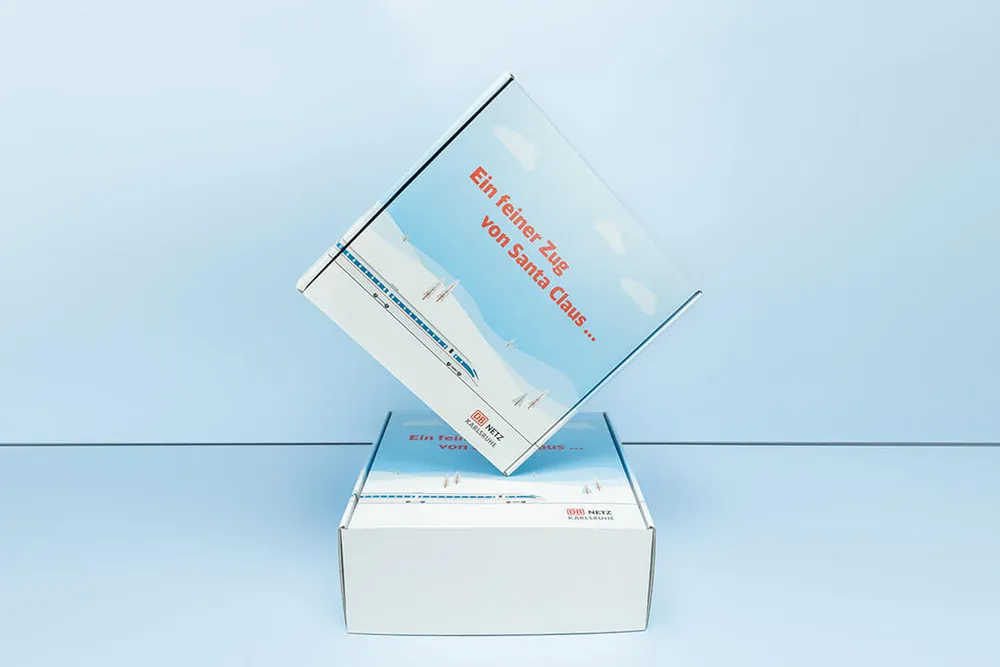
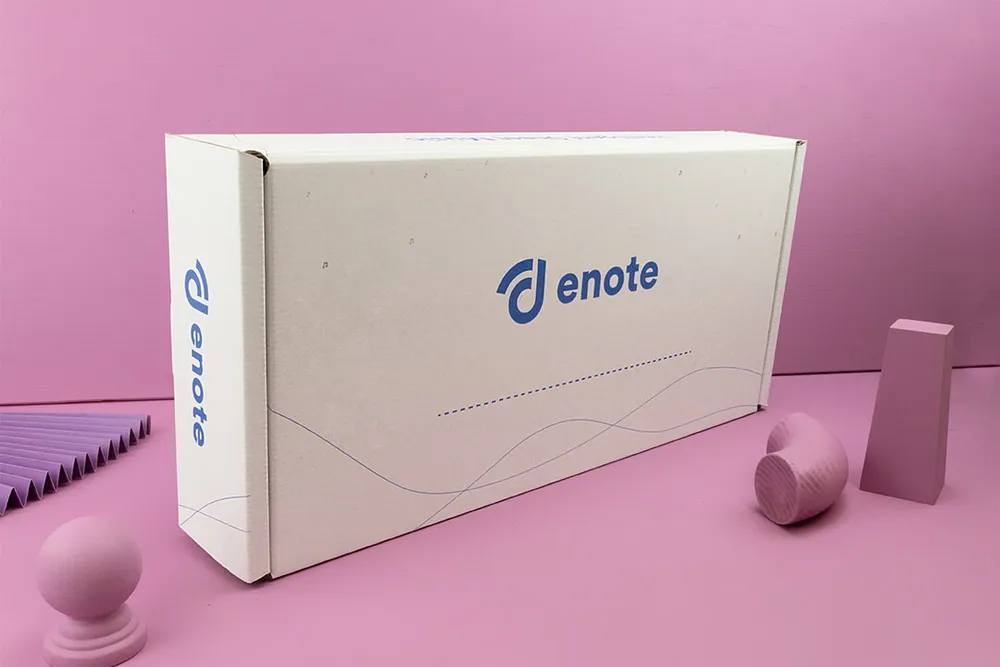
The construction of FEFCO cartons is standardized, but there is still plenty of scope for design. You have complete freedom of choice with regard to the material and format as well as the printing and finishing.
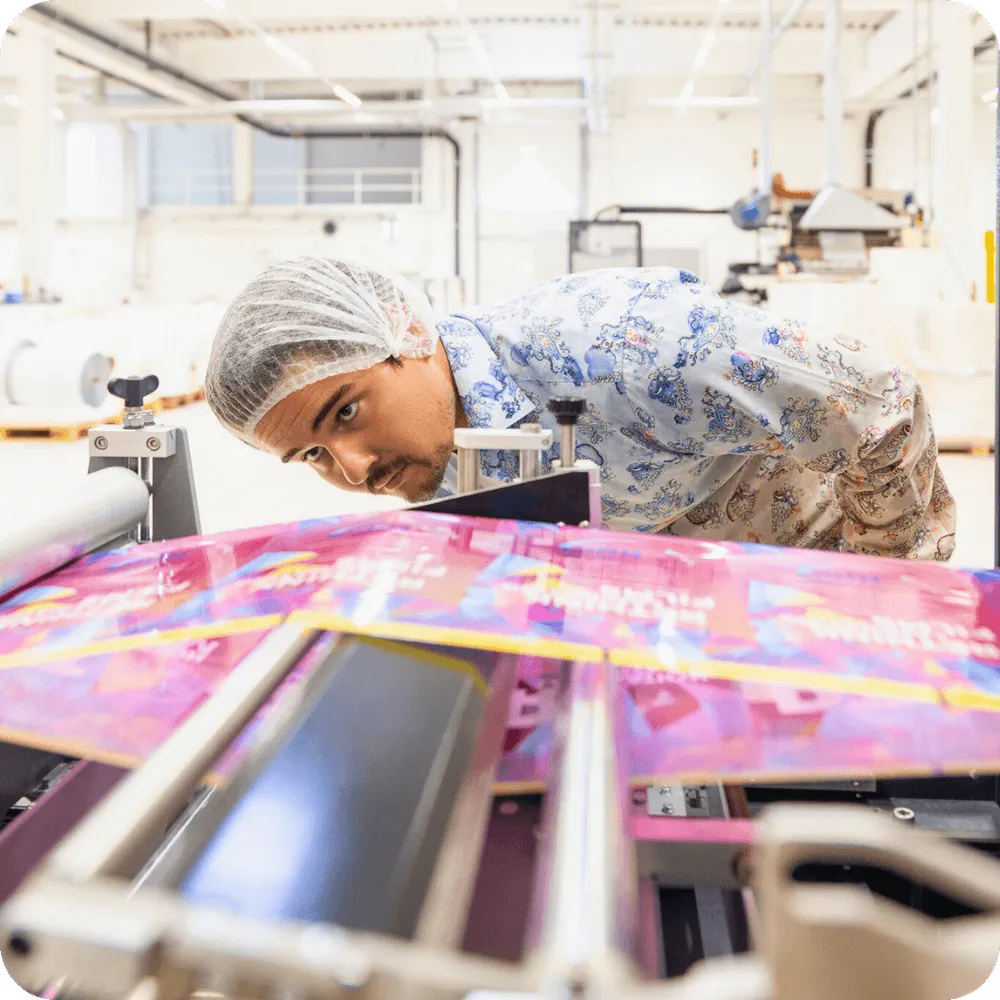
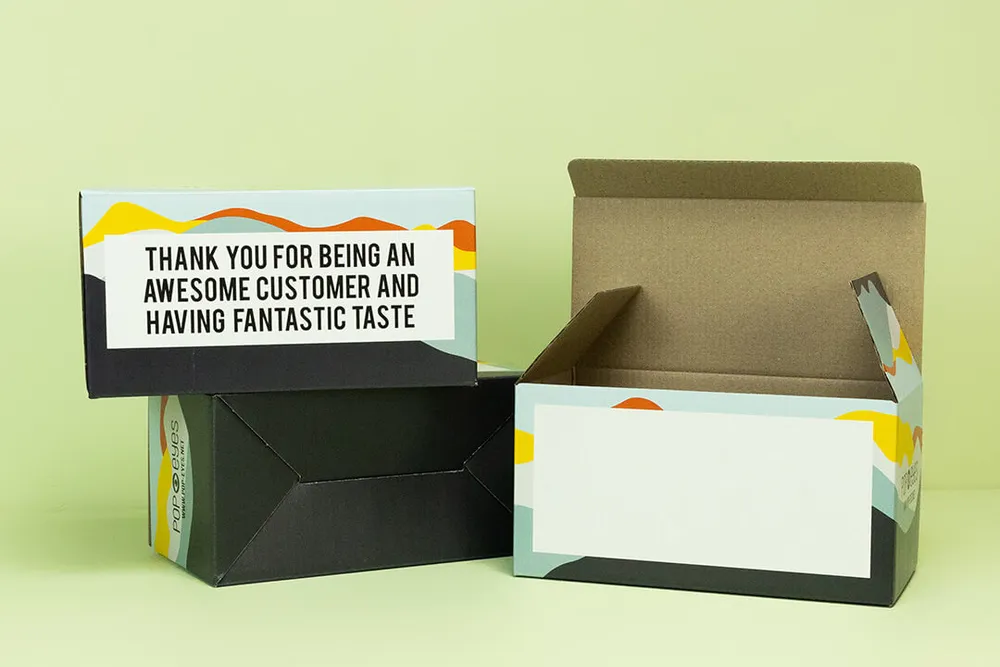
When it comes to printing, for example, the sky's the limit. On the one hand, all our cartons and boxes can be printed over their entire surface, both on the outside and the inside. On the other hand, thanks to modern digital printing technology, it is even possible to personalize each individual package.
In addition, you can customize the look of your packaging just by choosing the material (e.g. white-coated or natural brown) and the protective coating (e.g. glossy or matte laminates and varnishes).
By reducing the risk of goods having to be disposed of because of damage in transport and storage, packaging helps to avoid product waste – provided that the packaging itself is appropriate for the product and not oversized.
In their unfinished form, corrugated board and folding boxboard can be recycled with paper and cardboard waste. According to Eurostat packaging waste statistics, paper and cardboard packaging achieves one of the highest recycling rates of all packaging materials in the EU.
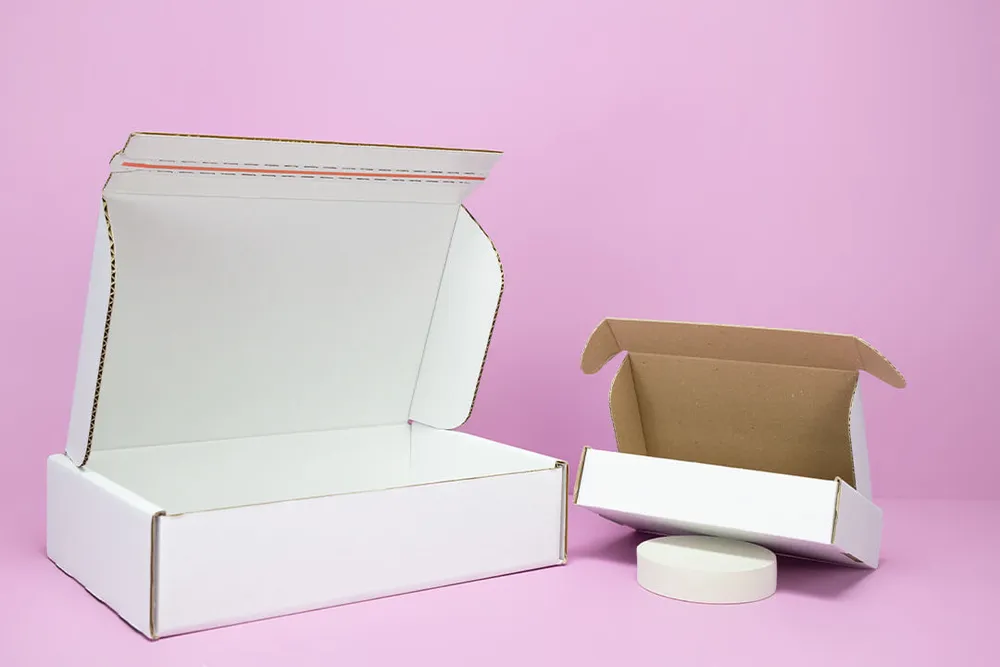
FEFCO is the shortcut for the European Federation of Corrugated Cardboard manufacturers. Although the acronym refers to the former French name of the association, i.e. Fédération Européenne des Fabricants de Carton Ondule, it is still in use today.
FEFCO's main function is to represent the interests of its members, for example in technical and economic matters. Beyond the corrugated industry, it is best known for the FEFCO codes used worldwide, which were developed by the organization in the 1960s.
The aim of developing the FEFCO codes has always been to overcome language barriers between manufacturers and buyers of packaging. In the beginning, the focus was purely on corrugated packaging and the European market. However, a lot has changed over the years:
Since the involvement of the European Solid Board Organization (ESBO), the FEFCO catalog of around 200 packaging materials also includes solid board products, for example. And since the adoption by the International Corrugated Case Association (ICCA), the FEFCO-ESBO codes have also been applied worldwide.
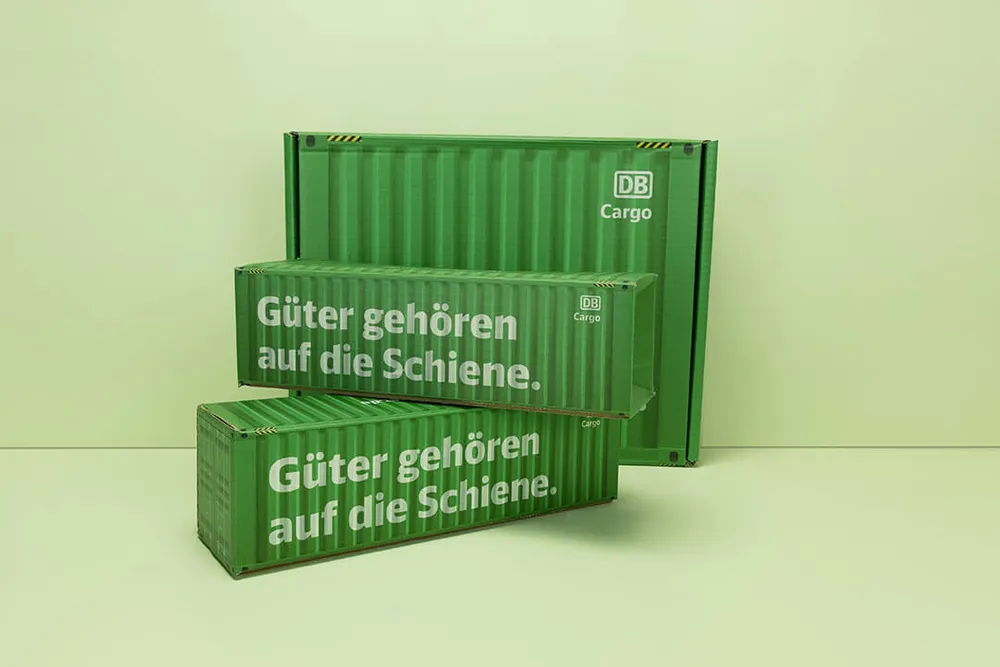
FEFCO codes usually consist of four digits. The first two digits always refer to the respective basic type of packaging. There are a total of eight different ones, which are referred to with the number combinations 01 to 07 as well as 09 (there is no basic type with 08).
Each of these basic types is in turn subordinated to various versions whose designs sometimes differ from the basic design to a greater or lesser extent. These variations are identified by the last two digits of the code.
In addition, there are special cases where packages have five- or eight-digit FEFCO codes. For example, in the case of packaging modifications, a hyphen and an additional digit are added to the base code of the modified model (e.g. 0201-2).
In the case of packaging that is a combination of two different types of packaging, both codes are listed and separated by a slash (e.g. 0204/0215).
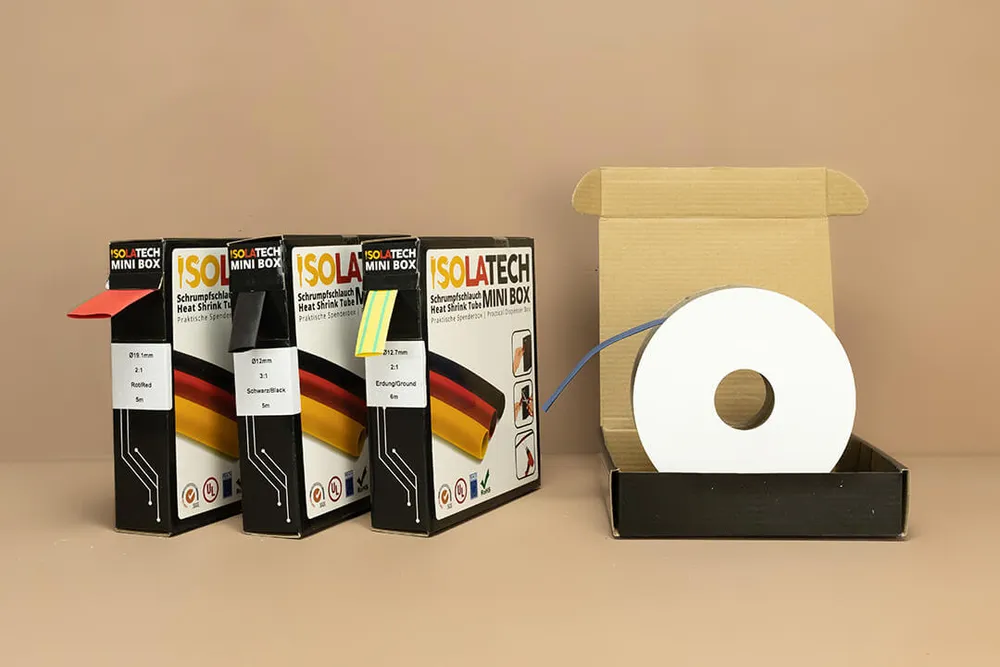
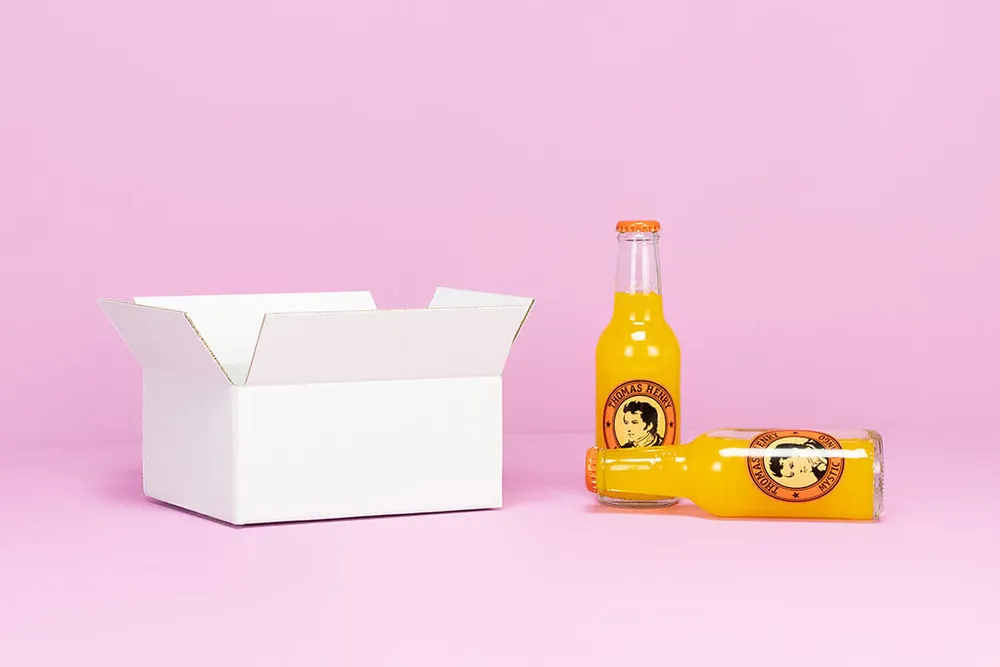







 Folding boxes
 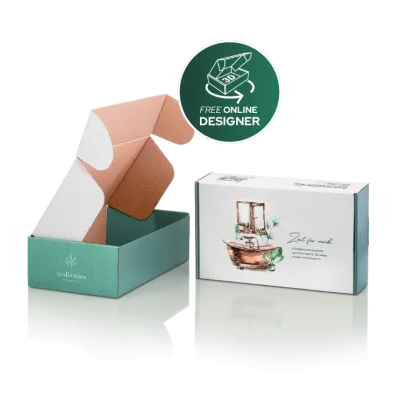 Shipping boxes
 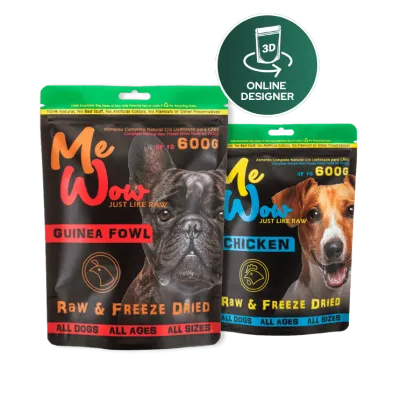 Stand-up pouch
  Flexible packaging
 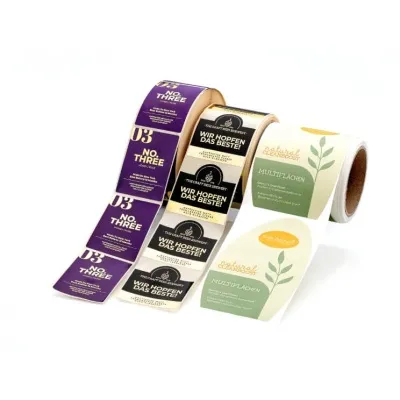 Labels
 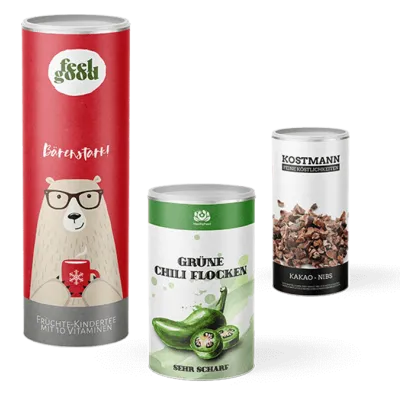 Paper cans
  Sample boxes